
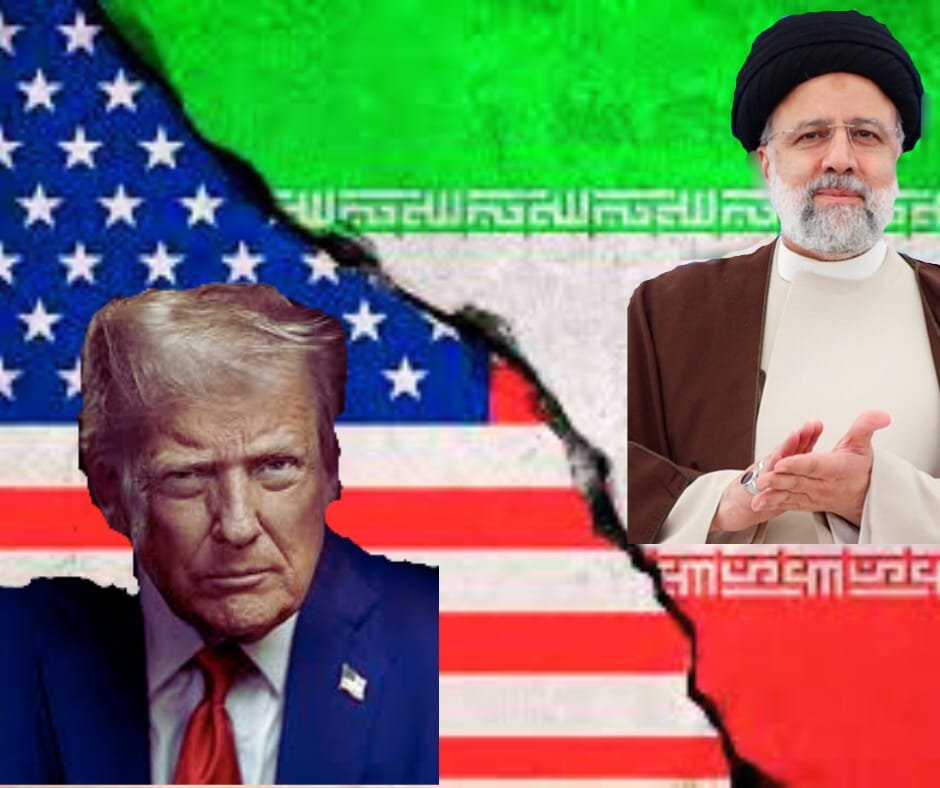
The long-standing rivalry between the United States and Iran has once again captured global attention, dominating headlines, social media trends, and geopolitical discussions in 2026. From nuclear negotiations and economic sanctions to military deployments in the Middle East, the renewed tensions between Washington and Tehran are shaping international security debates and triggering concerns about regional stability.
A Conflict Decades in the Making
The roots of the US-Iran conflict stretch back to 1979, when Iran’s Islamic Revolution transformed the country’s political structure and dramatically altered its relationship with Washington. Since then, diplomatic relations have remained strained, punctuated by sanctions, proxy conflicts, and nuclear disputes.
In recent years, the spotlight has returned to Iran’s nuclear program. The collapse of earlier agreements, including the 2015 nuclear deal, left a diplomatic vacuum. Now, renewed nuclear talks in Geneva are being closely monitored as both nations weigh diplomacy against escalating confrontation.
Nuclear Talks: Diplomacy on the Edge
One of the biggest trending keywords globally right now is “US-Iran nuclear negotiations.” Diplomats from both sides have engaged in indirect discussions aimed at reviving limits on Iran’s nuclear activities in exchange for sanctions relief.
Iran insists its nuclear program is for peaceful energy purposes. However, US officials argue that increased uranium enrichment levels raise serious proliferation concerns. The White House has emphasized that preventing Iran from developing nuclear weapons remains a top national security priority.
Meanwhile, Tehran has signaled that while a deal is “within reach,” trust remains fragile. Political analysts describe the current phase as a “high-stakes diplomatic chess match,” where every move is calculated and closely scrutinized by allies and rivals alike.
Sanctions and Economic Pressure
Economic sanctions remain one of Washington’s most powerful tools. Over the past year, the United States has tightened restrictions on Iran’s oil exports, financial institutions, and individuals linked to its defense sector. These sanctions aim to limit Tehran’s revenue streams and pressure leadership into compliance.
For Iran, the impact has been significant. Currency fluctuations, inflation, and public frustration have intensified domestic challenges. However, Iranian officials argue that sanctions are unjust and counterproductive, reinforcing national resistance rather than encouraging compromise.
Globally, energy markets are reacting nervously. Oil prices often spike whenever tensions rise, reflecting fears of supply disruptions in the Strait of Hormuz — one of the world’s most critical energy chokepoints.
Military Posturing and Regional Flashpoints
Beyond diplomacy and economics, military movements have added a dramatic layer to the conflict narrative. The United States has strengthened its presence in the Gulf region, deploying advanced fighter jets and naval assets as a deterrent strategy. American officials describe these moves as defensive and aimed at protecting allies.
Iran, on the other hand, has conducted military drills and emphasized the capabilities of the Islamic Revolutionary Guard Corps (IRGC), signaling readiness to respond to any perceived aggression.
Regional actors are also involved indirectly. Proxy tensions in Iraq, Syria, and the wider Middle East contribute to a volatile security environment. Analysts warn that even a small incident could spiral into a broader confrontation.
Cyber Warfare and Modern Tactics
Another trending topic linked to the US-Iran conflict is “cyber warfare.” Both nations are widely believed to possess advanced cyber capabilities. Over the years, accusations of cyberattacks targeting infrastructure, government systems, and energy facilities have surfaced repeatedly.
In today’s digital age, conflict is no longer limited to battlefields. Cyber operations, economic pressure, and information campaigns are central components of modern geopolitical rivalry.
Global Reactions and Diplomatic Balancing
The international community is watching closely. European nations are urging restraint and advocating for a diplomatic breakthrough. China and Russia, both influential global players, have expressed opposition to unilateral sanctions and called for multilateral solutions.
For global markets, the stakes are high. Investors closely track developments in the Middle East because instability can disrupt global trade routes and energy supplies. Trending financial keywords such as “oil price volatility,” “geopolitical risk,” and “global security crisis” frequently accompany headlines about US-Iran tensions.
Could Conflict Turn into War?
Perhaps the most pressing question is whether this tension could escalate into direct military conflict. Experts suggest that while both sides use strong rhetoric, neither appears eager for full-scale war. The costs — politically, economically, and militarily — would be enormous.
The United States faces strategic calculations involving regional allies and global commitments. Iran, meanwhile, must balance national pride, domestic pressures, and economic survival. This delicate balance creates a situation where brinkmanship is common, but outright war remains uncertain.
The Power of Public Narrative
In 2026, social media amplifies every development. Hashtags like #USIranConflict, #NuclearTalks, #MiddleEastTensions, and #GlobalSecurity trend within minutes of major announcements. Public opinion, digital diplomacy, and media framing now play an unprecedented role in shaping international perceptions.
Leaders on both sides are aware that narratives matter. Speeches, press conferences, and diplomatic statements are crafted not only for policymakers but also for global audiences consuming news in real time.
Conclusion: A Critical Moment in Global Politics
The conflict between the United States and Iran represents more than a bilateral dispute. It reflects broader themes of power, sovereignty, deterrence, and diplomacy in a rapidly changing world order.
As nuclear negotiations continue and sanctions remain in place, the coming months could prove decisive. Will diplomacy prevail, leading to a breakthrough agreement? Or will escalating tensions push the region toward greater instability?
For now, the world watches — aware that the outcome of US-Iran relations will have far-reaching implications for global security, energy markets, and the future of international diplomacy.


