
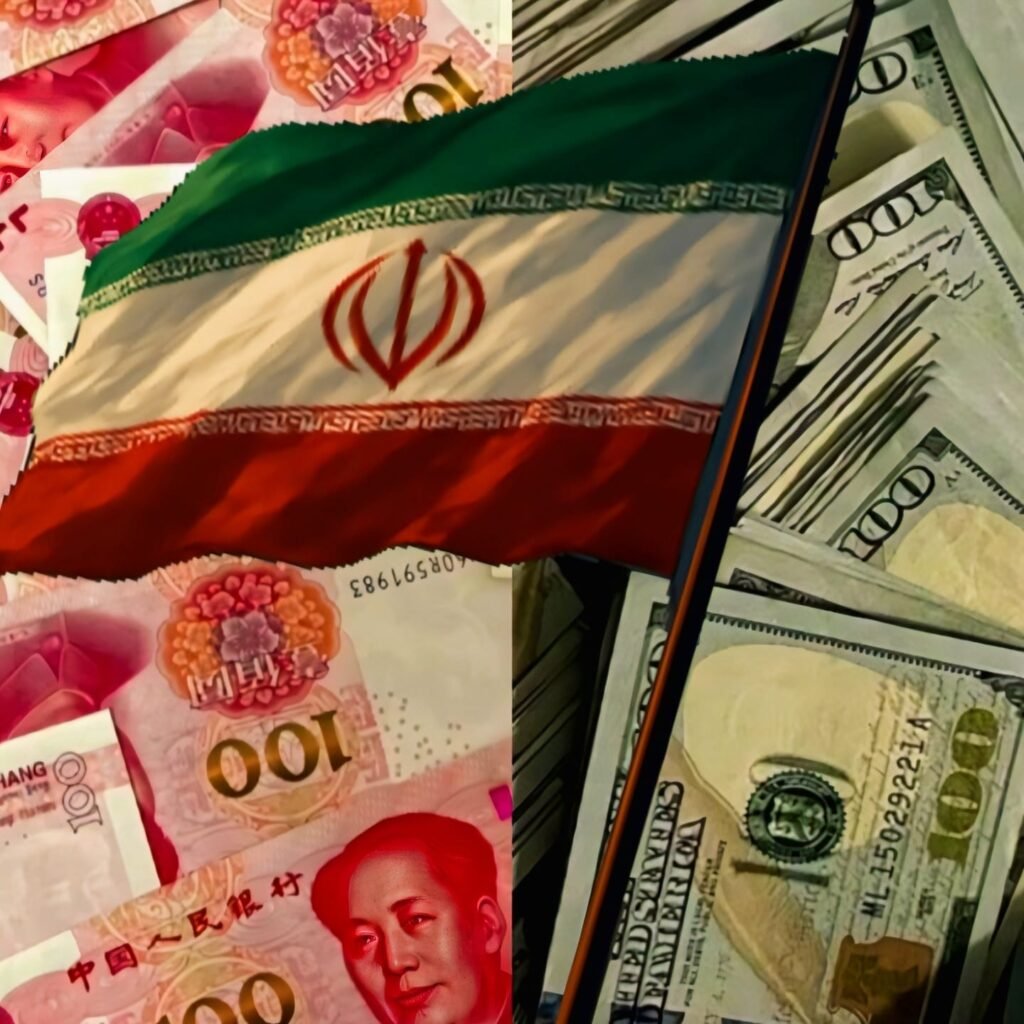
A Geopolitical Shift Emerging in the Persian Gulf
Amid escalating tensions in the Persian Gulf, a new economic dimension is reshaping the global narrative: Iran’s potential move to trade oil in Chinese yuan instead of the US dollar. While not officially implemented, the mere discussion of such a shift has sent ripples through international financial systems and energy markets.
For decades, global oil transactions have been dominated by the US dollar, forming the backbone of what is widely known as the petrodollar system. Iran’s consideration of yuan-based oil trade signals not just a tactical response to geopolitical pressure, but a possible turning point in the global economic order.
Understanding the Petrodollar System
The Petrodollar System has been a cornerstone of international trade since the 1970s. Under this system, oil-exporting countries price and sell crude oil exclusively in US dollars, reinforcing the dollar’s status as the world’s primary reserve currency.
This arrangement provides significant advantages to the United States, including sustained global demand for its currency and increased economic influence. However, it also creates vulnerabilities for countries like Iran that face sanctions and restricted access to dollar-based finances
Petrodollar system, global oil trade currency, and US dollar dominance remain central to understanding this evolving issue.
Iran’s Strategic Pivot Toward the Yuan
Iran’s growing alignment with China has laid the groundwork for exploring alternative trade mechanisms. By potentially pricing oil in yuan, Iran aims to bypass US financial restrictions while strengthening economic ties with one of the world’s largest energy consumers.
The yuan, officially known as the renminbi, has been gradually gaining traction in global trade. China has actively promoted its use in international transactions, particularly through initiatives like the Belt and Road Initiative. For Iran, adopting the yuan could provide a more stable and politically neutral trading channel
Implications for Global Energy Markets
If Iran proceeds with yuan-based oil transactions, the impact could be profound. The global oil market, traditionally anchored in dollar pricing, may begin to fragment into multiple currency zones. This could lead to increased volatility, as exchange rate fluctuations introduce new layers of complexity.
Moreover, other oil-producing nations—especially those with strained relations with the United States—may consider similar strategies. This domino effect could gradually erode the dominance of the dollar in energy markets.
However, such a transition would not occur overnight. The infrastructure supporting dollar-based trade remains deeply entrenched, and shifting to an alternative currency would require extensive financial and logistical adjustments.
Geopolitical Tensions and Strategic Leverage
The situation is further complicated by ongoing military and political tensions in the region. Control over critical النفط routes, particularly the Strait of Hormuz, gives Iran significant leverage in global trade dynamics. By linking currency conditions to access and stability in these waterways, Iran could amplify its influence.
At the same time, the United States is likely to view any move toward yuan-based oil trade as a direct challenge to its economic hegemony. This could result in increased diplomatic pressure, sanctions, or even escalation in regional conflicts.
China’s Expanding Role in Global Finance
China’s interest in promoting the yuan as a global trade currency aligns with its broader ambition to reshape international financial systems. By encouraging oil transactions in yuan, China not only secures energy supplies but also enhances the global standing of its currency.
Institutions like People’s Bank of China have been instrumental in facilitating cross-border yuan transactions and developing financial instruments to support international adoption.
The success of this strategy, however, depends on global trust in the yuan, as well as the stability and transparency of China’s financial system.
Risks, Challenges, and Uncertainty
Despite its potential, Iran’s yuan oil strategy faces significant obstacles. Currency volatility, limited global acceptance of the yuan, and potential backlash from Western economies all pose serious risks. Additionally, many international contracts and financial systems are deeply integrated with the US dollar, making a sudden shift impractical.
There is also the question of enforcement. Even if Iran announces such a policy, ensuring compliance among international buyers could prove challenging, particularly in a fragmented and politically sensitive market.
Conclusion: A Turning Point or Tactical Move?
Iran’s consideration of yuan-based oil trade represents more than a financial adjustment—it is a strategic maneuver with far-reaching implications. While the immediate impact may be limited, the long-term consequences could reshape global trade dynamics, weaken dollar dominance, and accelerate the trend toward a multipolar economic system.
Whether this initiative evolves into a full-scale transformation or remains a tactical response to geopolitical pressures will depend on a complex interplay of economic, political, and strategic factors. What is certain, however, is that the global energy market stands at a critical juncture.


