
Minneapolis, Minnesota
The city of Minneapolis is grappling with grief and anger following the death of Renee Good, a 37-year-old mother of three and a poet who had recently moved to the city seeking a fresh start. Good was fatally shot during an encounter with a U.S. Immigration and Customs Enforcement (ICE) agent earlier this week, an incident that has sparked protests and renewed debate over federal immigration enforcement tactics.
According to officials, the shooting occurred during a federal ICE operation in south Minneapolis on the morning of January 7. Details surrounding the confrontation remain under investigation, but authorities confirmed that Good was struck by gunfire and later died from her injuries at a local hospital.
Family members say Renee Good was not only a devoted mother but also a creative soul. She wrote poetry, loved literature, and was known for her gentle nature and compassion. Having recently relocated to Minneapolis, she was still adjusting to life in a new city and working to build stability for her children.
“She was trying to start over,” a family member said. “Her kids were her whole world. She had dreams, plans, and so much love to give.”
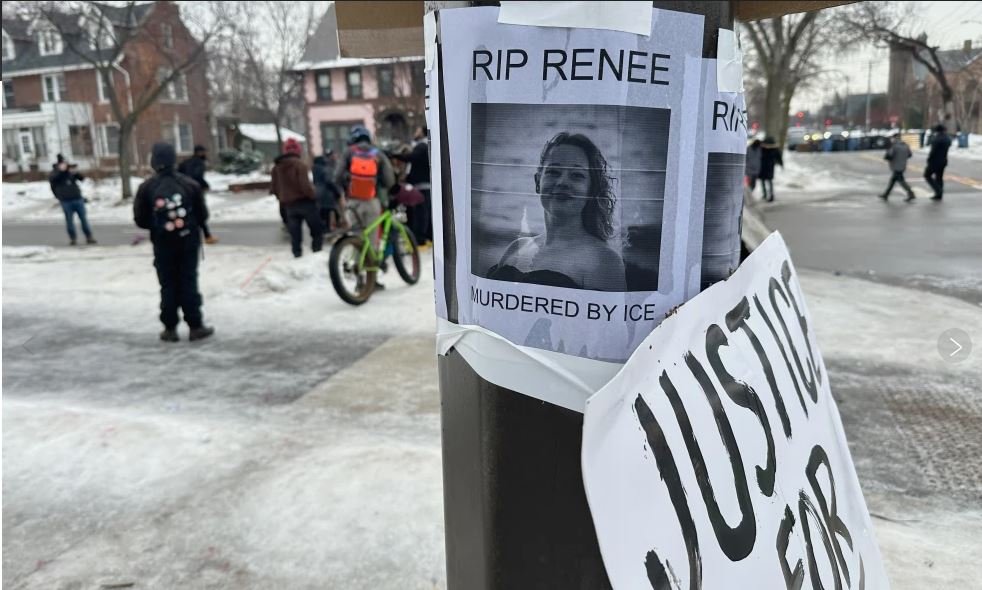
The killing has triggered an emotional response across the city. Community members have gathered at vigils to honor Good’s life, leaving flowers, poems, and messages of sorrow. Local leaders have called for transparency and accountability, while civil rights advocates are demanding an independent investigation into the use of deadly force by federal agents.
ICE officials have stated that the shooting is under review and that the agent involved has been placed on administrative leave. The FBI and other authorities are now examining body-camera footage, witness statements, and other evidence to determine exactly what happened.
As investigations continue, Renee Good is being remembered not for the circumstances of her death, but for the life she lived — as a mother raising three children, an artist who expressed herself through words, and a woman who came to Minneapolis with hope for a better future. Her death has left a painful void and raised difficult questions that many believe must now be answered.


