
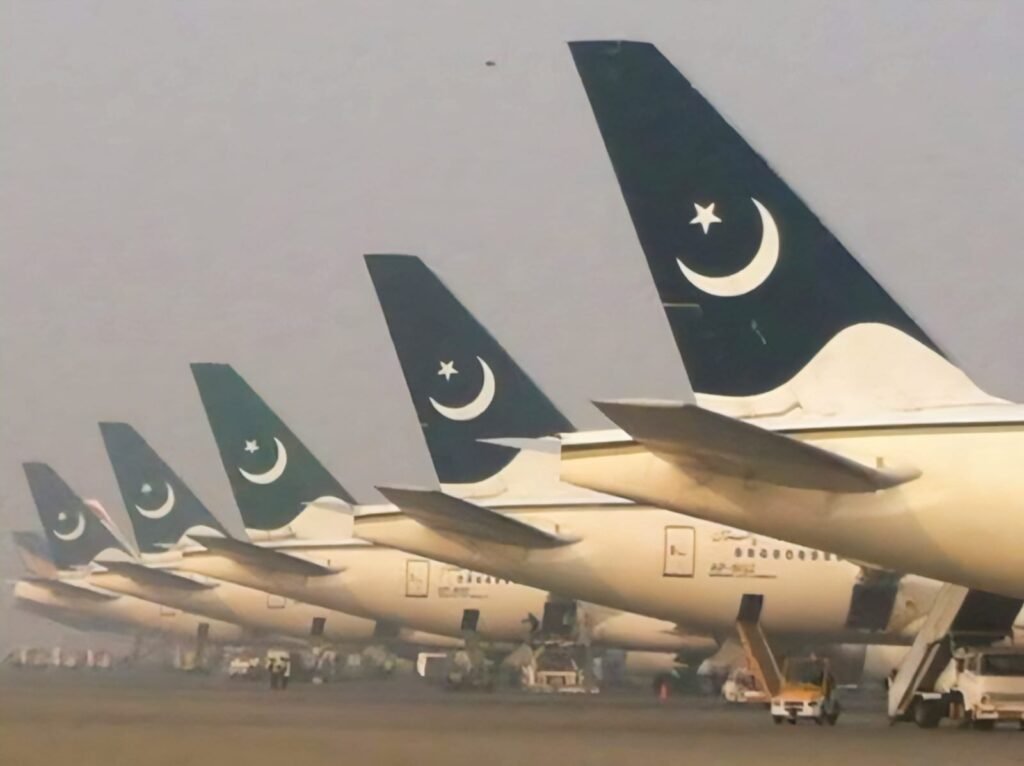
The aviation sector in Pakistan has recently experienced significant disruptions as regional geopolitical tensions continue to influence international air travel. While commercial aviation in Pakistan remains operational, a noticeable number of flight cancellations and delays—particularly on routes connected to the Middle East—have sparked widespread concern among travelers, airlines, and aviation authorities.
These developments highlight the fragile nature of global air transportation, where geopolitical instability, security concerns, and airspace restrictions can rapidly reshape travel patterns across continents. For passengers and airlines alike, the evolving situation represents both logistical challenges and broader implications for international aviation networks.
Rising Regional Tensions and Aviation Security
The recent disruptions in Pakistan’s flight operations are closely linked to escalating tensions in the Middle East and surrounding regions. Conflicts involving several regional actors have forced airlines to reconsider flight routes and safety protocols.
Air travel relies heavily on secure and predictable airspace corridors. When geopolitical conflicts arise, aviation regulators and airlines must immediately reassess flight paths to ensure passenger safety. In many cases, this involves rerouting aircraft, delaying departures, or temporarily suspending flights to affected destinations.
As a result, several airlines operating from major Pakistani airports—including Jinnah International Airport, Allama Iqbal International Airport, and Islamabad International Airport—have been forced to cancel or reschedule flights connecting passengers to Middle Eastern destinations.
Although these measures are precautionary, they underscore how global aviation remains deeply interconnected with international security dynamics.
Operational Disruptions at Major Airports
Pakistan’s primary international airports serve as crucial hubs linking South Asia to Europe, the Middle East, and Southeast Asia. When flight schedules are disrupted, the ripple effects extend beyond passengers to cargo transport, airline operations, and international business travel.
At Jinnah International Airport, several flights destined for Gulf countries have experienced delays due to revised air routes and security evaluations. Similarly, Allama Iqbal International Airport has reported operational challenges, including temporary cancellations and changes in departure schedules.
Meanwhile, aviation authorities at Islamabad International Airport have emphasized that the country’s airspace remains largely open and functional. However, adjustments in international flight corridors have inevitably slowed operations and increased travel times.
For travelers, these changes mean longer layovers, revised itineraries, and, in some cases, the need to rebook flights altogether.
The Role of Aviation Authorities
Ensuring aviation safety during periods of geopolitical uncertainty requires careful coordination between national regulators, international aviation organizations, and airline companies.
In Pakistan, the Pakistan Airports Authority plays a central role in monitoring airspace conditions and implementing safety measures. The authority works closely with global aviation agencies to evaluate potential risks and ensure that aircraft operating within Pakistani airspace follow internationally recognized safety standards.
Officials have clarified that Pakistan’s airspace has not been entirely closed. Instead, airlines have been advised to adjust routes or temporarily suspend specific flights based on evolving regional conditions.
This measured approach allows aviation operations to continue while minimizing exposure to potential risks.
Impact on the Travel and Tourism Industry
The temporary disruption of flights has also affected the broader travel and tourism sector. Pakistan serves as an important transit point for passengers traveling between South Asia, the Middle East, and Europe.
When flights are delayed or canceled, travel agencies, hotels, and tourism businesses must adapt quickly to accommodate affected travelers. Passengers with connecting flights may experience unexpected layovers, while business travelers could face disruptions to critical international meetings.
Moreover, aviation disruptions can influence tourism flows. International visitors planning to travel to Pakistan may postpone trips if uncertainty surrounding flight schedules continues.
However, industry experts note that such disruptions are typically temporary and often resolve once regional tensions stabilize.
Global Aviation and Geopolitical Sensitivity
The current situation illustrates a broader truth about the modern aviation industry: global air travel is highly sensitive to geopolitical developments.
From security conflicts to diplomatic disputes, events occurring in one region can quickly impact airline operations across multiple continents. Airlines constantly rely on real-time intelligence, satellite navigation systems, and international regulatory guidance to maintain safe and efficient flight operations.
In the case of Pakistan, airlines must carefully navigate airspace routes that connect major global destinations while avoiding regions experiencing heightened military or security activity.
These challenges require advanced planning, fuel adjustments, and coordination with air traffic control authorities across several countries.
Passenger Awareness and Travel Planning
For travelers planning international journeys from Pakistan, aviation experts recommend staying informed about flight updates and airline advisories.
Passengers should regularly check with airlines regarding departure schedules and potential route changes. Flexible travel plans, travel insurance, and early arrival at airports can help minimize inconvenience during periods of operational uncertainty.
Despite recent disruptions, the majority of domestic and international flights within Pakistan continue to operate normally. Aviation authorities remain committed to maintaining safe air travel while monitoring regional developments closely.
Looking Ahead
As geopolitical tensions evolve, the aviation industry in Pakistan is expected to adapt through improved coordination, enhanced safety measures, and flexible route planning.
Airlines and regulatory agencies will continue to assess regional risks while ensuring that passengers can travel safely and efficiently. While temporary flight disruptions can create short-term challenges, the resilience of the global aviation system often allows it to recover quickly once conditions stabilize.
Ultimately, the situation serves as a reminder that aviation operates within a complex global environment where security, diplomacy, and technology intersect. For Pakistan’s aviation sector, navigating these challenges successfully will remain essential to maintaining its role as a key regional gateway for international air travel.


