In recent months, Pakistan has witnessed rising concerns over a potential petrol deficiency crisis, sparking debate among policymakers, economists, and the general public. Fuel shortages, surging petroleum prices, and geopolitical instability have combined to create a challenging situation for the country’s energy sector. As Pakistan heavily depends on imported oil to sustain transportation, industrial activity, and electricity generation, disruptions in global supply chains are quickly reflected in the domestic market.
The unfolding situation highlights the fragile nature of Pakistan’s energy security, emphasizing the urgent need for sustainable policies, diversified supply routes, and long-term strategic planning.
The Global Context Behind Pakistan’s Fuel Crisis
The petrol shortage concerns in Pakistan cannot be analyzed in isolation. They are deeply linked with global geopolitical tensions, particularly in the Middle East. A significant portion of the world’s oil supply passes through the Strait of Hormuz, one of the most critical maritime chokepoints for international energy trade.
Any disruption in this region has immediate consequences for countries dependent on imported crude oil, including Pakistan. Rising tensions between Iran and Israel have heightened concerns about oil supply stability, resulting in fluctuating global petroleum prices and uncertainty in energy markets.
Pakistan imports the majority of its petroleum products from Gulf countries, making the nation particularly vulnerable to external shocks. As oil prices surge in the international market, domestic fuel prices inevitably follow the same trajectory.
Rising Petrol Prices and Public Anxiety
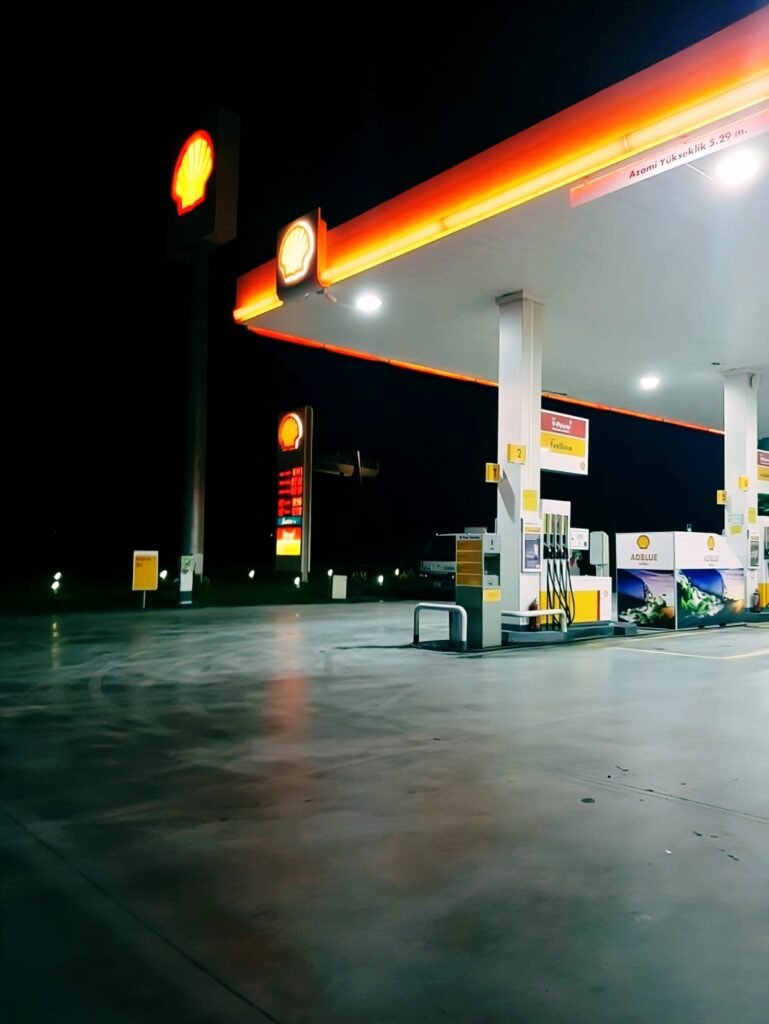
The most visible impact of the fuel crisis has been the sharp increase in petrol prices across the country. Sudden price adjustments have triggered widespread public anxiety, leading to long queues at fuel stations and concerns about potential supply shortages.
For ordinary citizens, rising petrol prices translate directly into increased living costs. Transportation expenses surge, food supply chains become more expensive, and overall inflation accelerates. Public transport operators, ride-sharing drivers, and logistics companies are among the sectors most affected by these price fluctuations.
Economists warn that persistent increases in petroleum prices could further strain Pakistan’s fragile economic environment, particularly at a time when inflation and currency depreciation remain pressing challenges.
Limited Petroleum Reserves
Another critical factor contributing to the petrol deficiency concern is Pakistan’s limited strategic fuel reserves. Unlike some developed economies that maintain extensive emergency oil reserves, Pakistan’s storage capacity is relatively constrained.
Energy experts estimate that the country typically maintains petroleum reserves sufficient for only a few weeks of consumption. This limited buffer makes the nation highly sensitive to sudden supply disruptions.
When global shipping routes are disturbed or international oil prices spike dramatically, the government must quickly secure alternative supplies to prevent shortages in the domestic market.
Economic and Industrial Consequences
The ripple effects of a petrol shortage extend far beyond transportation. Fuel availability plays a vital role in powering multiple sectors of Pakistan’s economy, including manufacturing, agriculture, logistics, and energy production.
Industrial operations often rely on diesel-powered generators due to frequent electricity shortages. If diesel supplies become limited or excessively expensive, factories may reduce production capacity, leading to slower economic growth and potential job losses.
Similarly, the agricultural sector depends heavily on fuel for tractors, irrigation systems, and transportation of crops to markets. Rising diesel costs could increase food production expenses, ultimately pushing food prices higher for consumers.
From a macroeconomic perspective, increased fuel import costs also place pressure on Pakistan’s foreign exchange reserves, which are already under strain due to global economic conditions.
Government Measures to Address the Crisis
Recognizing the seriousness of the situation, Pakistani authorities have initiated several measures aimed at stabilizing the fuel supply and minimizing economic disruption.
Government officials have intensified negotiations with major oil-producing countries, particularly Saudi Arabia, to secure additional petroleum shipments. Diversifying import routes and suppliers remains a key priority for policymakers seeking to reduce dependence on any single geopolitical corridor.
At the same time, regulatory authorities have begun closely monitoring petrol stations across the country to prevent hoarding, artificial shortages, or illegal stockpiling. These steps are intended to maintain fair distribution and ensure that consumers have consistent access to fuel.
In addition, discussions have emerged regarding temporary fuel conservation measures such as remote working policies, reduced office hours, and digital alternatives to reduce transportation demand.
The Need for Long-Term Energy Reform
While immediate crisis management is essential, the petrol deficiency situation also underscores deeper structural issues within Pakistan’s energy framework. Heavy reliance on imported fossil fuels exposes the country to recurring economic shocks whenever global oil markets become unstable.
Experts increasingly advocate for long-term solutions that include expanding renewable energy investments, improving public transportation infrastructure, and promoting electric mobility. These initiatives could gradually reduce dependence on imported petroleum while strengthening national energy resilience.
Investment in domestic energy exploration, particularly in natural gas and alternative energy resources, may also play a critical role in reducing vulnerability to international market volatility.
Public Responsibility and Energy Conservation
Beyond government initiatives, public awareness and responsible energy consumption are also crucial components of managing the crisis. Efficient fuel usage, carpooling, and adoption of public transportation can collectively reduce national fuel demand.
Energy conservation is no longer merely an environmental concern; it has become a strategic necessity for countries navigating global energy uncertainties.
Conclusion
The emerging petrol deficiency concerns in Pakistan highlight the complex interplay between global geopolitics, economic vulnerability, and energy policy. Rising fuel prices, limited reserves, and dependence on international supply chains have created a challenging environment for both policymakers and citizens.
However, the crisis also presents an opportunity for structural reform. By strengthening energy security strategies, diversifying fuel sources, and accelerating the transition toward sustainable energy systems, Pakistan can transform this challenge into a catalyst for long-term resilience.
As the global energy landscape continues to evolve, nations that proactively adapt their energy policies will be better positioned to safeguard economic stability and ensure a secure future for their citizens.