
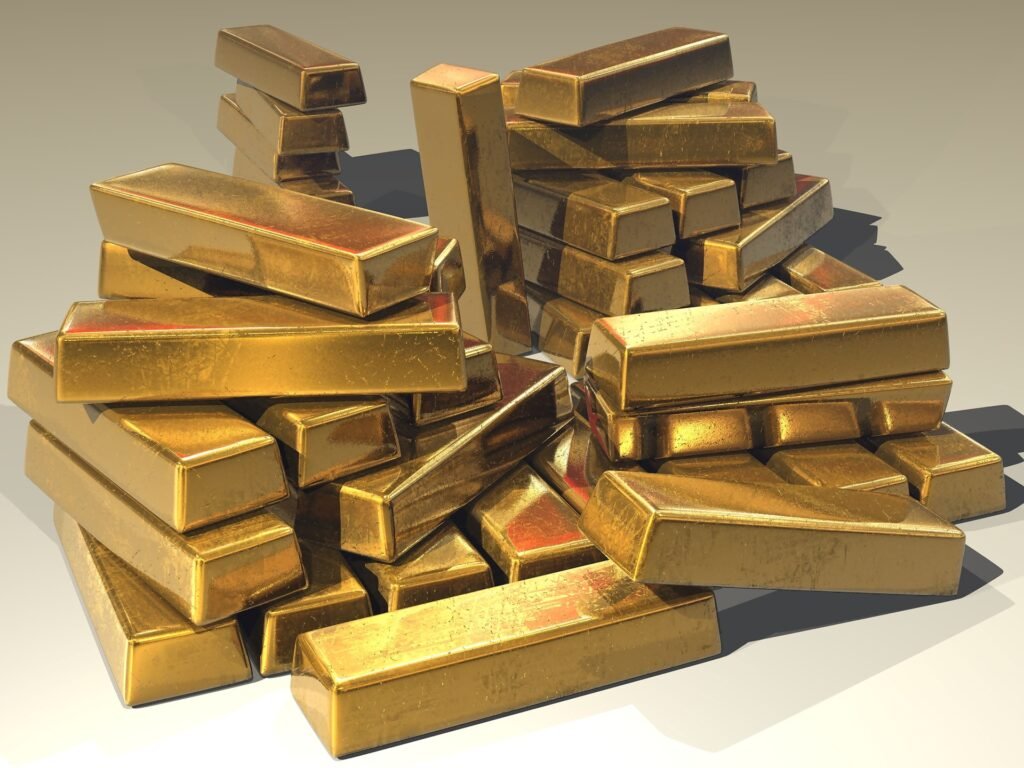
After weeks of strong momentum, the metals market cooled sharply on the 29th (local time). Gold futures on the New York Mercantile Exchange dropped 4.6% to $4,343.6 per troy ounce. Silver saw an even deeper decline of 8.7%, the biggest one-day fall in nearly four years, while copper prices slipped more than 4%. The widespread drop interrupted a powerful rally that had pushed precious and industrial metals to new highs earlier this month.
Since the start of the year through the 26th, gold had surged more than 70%, silver had climbed over 160%, and copper had risen around 45%. That rapid acceleration, supported by robust demand and speculative trading, left prices vulnerable to a pullback.
Market strategists say the downturn is mostly the result of profit-taking after such dramatic gains. Traders holding large winning positions chose to cash out, creating selling pressure. The slide deepened after the Chicago Mercantile Exchange raised margin requirements for silver futures, forcing leveraged investors to add more funds or reduce their trades. Those adjustments, in an already thin trading environment, triggered additional liquidation across metals and sectors linked to luxury goods.
The timing also contributed to volatility. With year-end holidays reducing market participation and geopolitical worries easing slightly — including cautious optimism surrounding diplomatic efforts in Ukraine — the need for safe-haven assets weakened. As a result, even moderate selling quickly accelerated.
Investors are now focused on the upcoming release of the U.S. Federal Reserve’s December meeting minutes. Any signal suggesting interest rates may stay higher for longer could cause further price swings, especially with gold trading near elevated levels. Analysts at UBS have cautioned that unexpected changes in monetary policy or withdrawals from gold-based investment products could add pressure in the short term.
Despite the current correction, major institutions remain confident about the medium- and long-term trend. JP Morgan projects gold could reach around $5,055 per ounce next year as rate cuts and economic uncertainty support demand. Bank of America has lifted its 2026 forecast to $5,000, and other major banks — including Goldman Sachs and RBC Capital Markets — also anticipate continued strength.
Silver is expected to maintain solid performance as well, helped by limited supply and strong usage in jewelry and advanced technology. Some forecasts suggest it could trade between $90 and $100 next year if current shortages persist. Market analysts emphasize that this week’s decline does not change the fundamental picture, noting that supply constraints and ongoing investment interest are still in place as the market heads into the new year.