
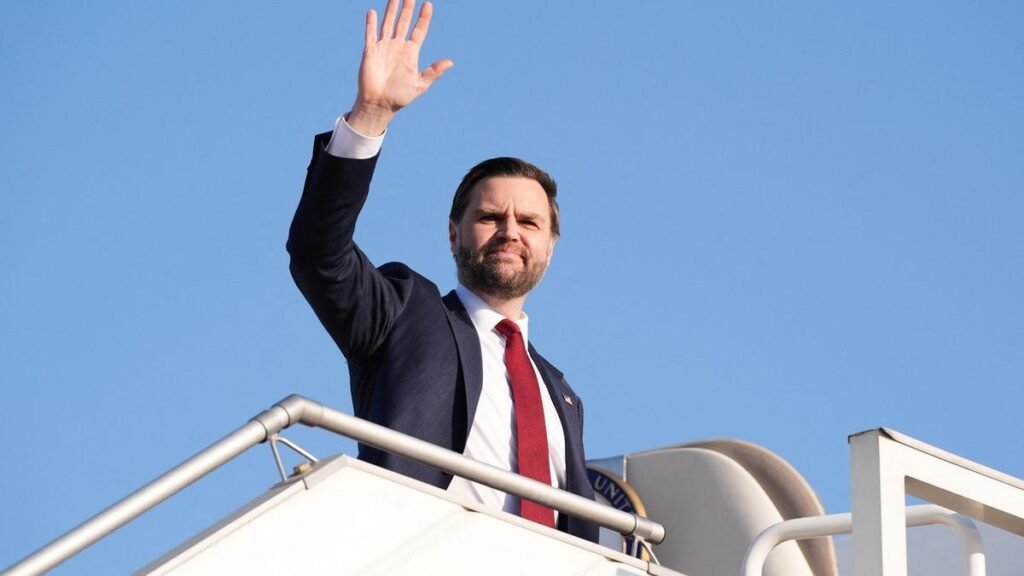
In April 2026, Islamabad has once again become the center of global diplomatic attention as preparations intensify for a possible second round of negotiations between the United States and Iran. Following an initial round of discussions that helped prevent further escalation, the world is now watching closely to see whether renewed talks can lead to a more stable and long-term understanding. While reports indicate that a high-level U.S. delegation is expected to arrive soon, the situation remains dynamic, with several key uncertainties still influencing the outcome.
According to detailed reporting by Al Jazeera (https://www.aljazeera.com/features/2026/4/20/second-round-in-islamabad-whos-at-the-us-iran-negotiating-table), the second round of talks involves senior policymakers and diplomatic officials tasked with advancing dialogue. These discussions are focused on de-escalation, maintaining a temporary ceasefire, and exploring frameworks for long-term cooperation. Contrary to misinformation circulating online, these meetings are not about declaring war but about preventing it through strategic negotiation.
The relationship between the United States and Iran has long been shaped by political disagreements, economic sanctions, and regional power dynamics. Over the decades, both countries have faced repeated moments of tension, often bringing the region close to instability. In 2026, these tensions intensified once again, raising concerns about the potential for broader conflict. This created an urgent need for diplomatic intervention, and Pakistan stepped forward to play a crucial mediating role.
By hosting the talks in Islamabad, Pakistan provided a neutral and strategically important platform for dialogue. The country’s balanced relationships with both Washington and Tehran made it a suitable facilitator for sensitive negotiations. Reports from Reuters (https://www.reuters.com/world/) highlight how continuous diplomatic engagement and backchannel communication have helped maintain momentum in the negotiation process. This approach allows both sides to communicate openly without the pressure of public scrutiny.
One of the most important aspects of the second round of talks is the focus on building trust. Diplomatic negotiations at this level are rarely resolved in a single meeting. Instead, they require multiple rounds of discussion, confidence-building measures, and gradual progress. The willingness of the United States to send a high-level delegation signals a strong commitment to finding a peaceful solution. At the same time, Iran’s cautious approach reflects the complexity of the issues involved, including sanctions relief, security guarantees, and regional influence.
The global implications of these talks cannot be overstated. Any conflict between the United States and Iran would have far-reaching consequences, particularly for energy markets. The Strait of Hormuz remains one of the most critical routes for global oil transportation. Even minor disruptions in this region can lead to significant increases in oil prices, affecting economies worldwide. Coverage from BBC News (https://www.bbc.com/news) emphasizes how sensitive global markets are to developments in this region.
Another important dimension of the Islamabad talks is their impact on regional stability. The Middle East is a complex and interconnected region where conflicts can quickly spread beyond national borders. By facilitating dialogue, Pakistan is contributing to efforts aimed at preventing a wider crisis. This not only benefits the countries directly involved but also helps maintain balance in the broader international system.
In addition to geopolitical considerations, the talks also highlight the evolving nature of global diplomacy. Traditional approaches that relied heavily on military strength are increasingly being replaced by negotiation and cooperation. The Islamabad talks serve as an example of how countries can use dialogue to address even the most challenging disputes. Insights from The World Bank (https://www.worldbank.org) suggest that diplomatic engagement is essential for long-term economic and political stability.
Media coverage and public perception have played a significant role in shaping the narrative around these talks. In the early stages, misinformation spread rapidly, with some reports incorrectly suggesting that the meetings were intended to declare war. However, credible sources such as Al Jazeera and Reuters consistently clarified that the focus was on de-escalation and peace-building. This highlights the importance of relying on verified information, particularly in an era where news spreads quickly across digital platforms.
Looking forward, the success of the second round of negotiations will depend on several factors. These include the willingness of both sides to compromise, the effectiveness of mediation efforts, and the broader geopolitical environment. While challenges remain, the continuation of dialogue itself is a positive sign. Each round of talks helps to reduce misunderstandings, build trust, and create opportunities for progress.
Pakistan’s role in hosting these talks also deserves recognition. By positioning itself as a mediator, Pakistan is enhancing its international standing and demonstrating its ability to contribute to global peace efforts. This role reflects a broader shift in Pakistan’s foreign policy, which increasingly emphasizes diplomacy and cooperation. Hosting high-level negotiations between major powers is a significant achievement that underscores the country’s growing influence on the global stage.
Another key aspect to consider is the economic impact of these negotiations. Stability in the Middle East directly affects global oil prices, trade routes, and investment flows. For countries like Pakistan, which rely on imported energy, a stable global environment can help reduce economic pressure. Conversely, any escalation in tensions could lead to increased costs and economic challenges. This makes the success of diplomatic efforts even more critical.
Furthermore, the Islamabad talks highlight the importance of multilateral cooperation. While the primary focus is on the United States and Iran, other countries and international organizations are also closely involved. Their support and engagement can help create a more comprehensive framework for peace. This collaborative approach reflects the interconnected nature of modern global politics.
In conclusion, the potential arrival of a U.S. delegation in Islamabad for a second round of talks with Iran represents a critical moment in ongoing diplomatic efforts. While uncertainties remain, the overall direction points toward continued engagement and a commitment to resolving tensions through dialogue. The Islamabad talks serve as a powerful reminder that even in the face of deep-seated conflicts, diplomacy remains the most effective tool for achieving lasting peace. As the situation continues to evolve, the world will be watching closely, hopeful that these efforts will lead to greater stability and cooperation in the years ahead.


