
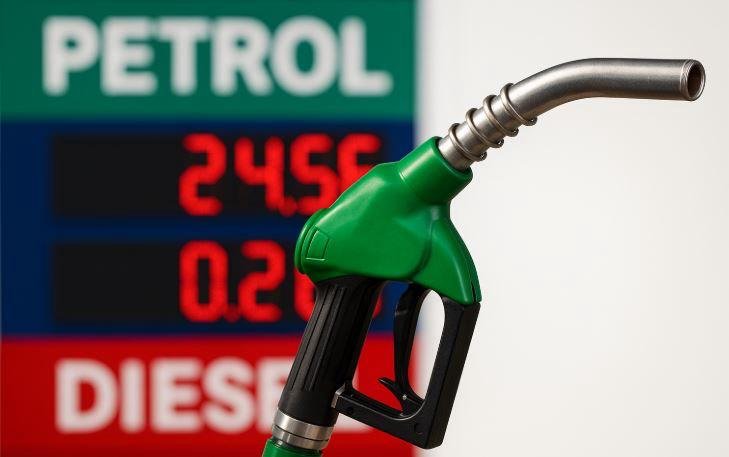
Petrol prices remain one of the most discussed economic topics in Pakistan, especially in 2026 where fluctuations in fuel rates are directly affecting daily life, transportation costs, and overall inflation. Many people are now asking whether petrol prices will drop again or continue to rise in the coming weeks. The answer is not simple, as fuel prices depend on a complex mix of international market trends, geopolitical developments, and domestic economic policies. However, recent developments suggest that while a slight decrease may be possible, long-term stability remains uncertain.
At the core of petrol pricing is the global crude oil market. Since Pakistan imports a large portion of its fuel, it is heavily dependent on international oil prices. Any increase or decrease in crude oil rates directly impacts the price of petrol within the country. According to reports by Reuters (https://www.reuters.com), global oil prices have shown some signs of stabilization after recent volatility. This stabilization can create an opportunity for countries like Pakistan to adjust fuel prices downward, offering some relief to consumers. However, even small fluctuations in the global market can quickly reverse this trend.
Another important factor influencing petrol prices is the exchange rate between the Pakistani Rupee and the US Dollar. Oil is traded internationally in dollars, which means that if the rupee weakens, Pakistan has to pay more for imports, even if global prices remain unchanged. This adds additional pressure on local fuel prices. Economic reports and updates from Dawn News (https://www.dawn.com) frequently highlight how currency depreciation can offset any potential relief from lower oil prices, making it difficult for consumers to benefit fully from global trends.
Geopolitical tensions also play a major role in determining fuel prices. In 2026, the situation between the United States and Iran has had a significant impact on the global oil market. Any escalation in tensions between these countries can disrupt oil supply routes, particularly through the Strait of Hormuz, which is one of the most critical passages for global oil transportation. Reports from Al Jazeera (https://www.aljazeera.com) indicate that even the possibility of conflict can push oil prices upward due to uncertainty in supply chains. On the other hand, peace talks and diplomatic efforts can stabilize the market and potentially lead to lower prices.
In addition to global factors, domestic policies in Pakistan also influence petrol prices. The government imposes various taxes and levies on fuel, including petroleum development charges and sales taxes. These components make up a significant portion of the final price consumers pay. Even if global oil prices decrease, the government may choose not to pass the full benefit to the public due to fiscal pressures and the need to maintain revenue. Insights from organizations such as The World Bank (https://www.worldbank.org) suggest that fuel taxation policies are often used to stabilize national economies, even though they can increase the burden on consumers.
There are, however, some positive indicators that suggest petrol prices could see a slight reduction in the near future. One of the key factors is the stabilization of global oil supply. If production levels remain steady and demand does not increase sharply, prices may remain under control. Additionally, ongoing diplomatic efforts between major global players could reduce geopolitical risks, leading to a more stable energy market. In such a scenario, Pakistan may adjust petrol prices downward during its regular review cycles, providing temporary relief to consumers.
Despite these possibilities, it is important to understand why a significant drop in petrol prices is unlikely in the long term. Pakistan is currently facing economic challenges, including inflation, debt obligations, and currency instability. These factors limit the government’s ability to reduce fuel prices significantly. Even if international oil prices fall, the benefits may be partially absorbed by currency depreciation or increased taxation. As a result, consumers may only experience minor reductions rather than substantial decreases.
The impact of petrol prices on everyday life in Pakistan cannot be overstated. Fuel costs influence transportation fares, food prices, and the cost of goods and services. When petrol prices rise, inflation tends to increase, affecting households across all income levels. Conversely, even a small decrease in fuel prices can provide noticeable relief, especially for middle- and lower-income groups. This is why fuel price announcements are closely monitored by the public.
Looking ahead, the future of petrol prices will largely depend on global energy trends. While the world is gradually shifting toward renewable energy sources, fossil fuels like petrol remain essential in 2026. Electric vehicles and alternative energy solutions are gaining popularity, but their adoption is still limited in countries like Pakistan. This means that petrol will continue to play a crucial role in the economy for the foreseeable future.
Another aspect to consider is market unpredictability. Oil prices are highly sensitive to global events, including political decisions, natural disasters, and changes in supply and demand. This unpredictability makes it difficult to forecast long-term trends accurately. While experts can analyze current data and provide estimates, sudden changes in global conditions can quickly alter the situation.
In conclusion, while there is a possibility that petrol prices may drop slightly in Pakistan in the short term, a significant or long-lasting decrease is unlikely under current conditions. The combination of global oil market dynamics, geopolitical tensions, currency fluctuations, and domestic economic policies ensures that fuel prices will remain volatile. For consumers, the best approach is to stay informed and prepared for both increases and decreases. Petrol prices are not just a local issue but a reflection of global economic and political realities, making them one of the most dynamic and impactful elements of modern life.