Hantavirus has once again become a topic of global concern after reports of infections and suspected outbreak monitoring in different regions of the world. Although the virus is considered rare, health experts continue to warn the public about the dangers associated with rodent exposure and contaminated environments.
Unlike highly contagious viruses such as COVID-19, hantavirus mainly spreads through contact with infected rodents or their waste. However, because severe cases can lead to respiratory failure or kidney complications, awareness and prevention remain extremely important.
Recent discussions on social media and health platforms have increased public curiosity about the virus, its symptoms, infected cases, and whether there is a risk of larger outbreaks in the future.
🔗 Official hantavirus information: Centers for Disease Control and Prevention (CDC) – Hantavirus
What Is Hantavirus?
Understanding the Disease
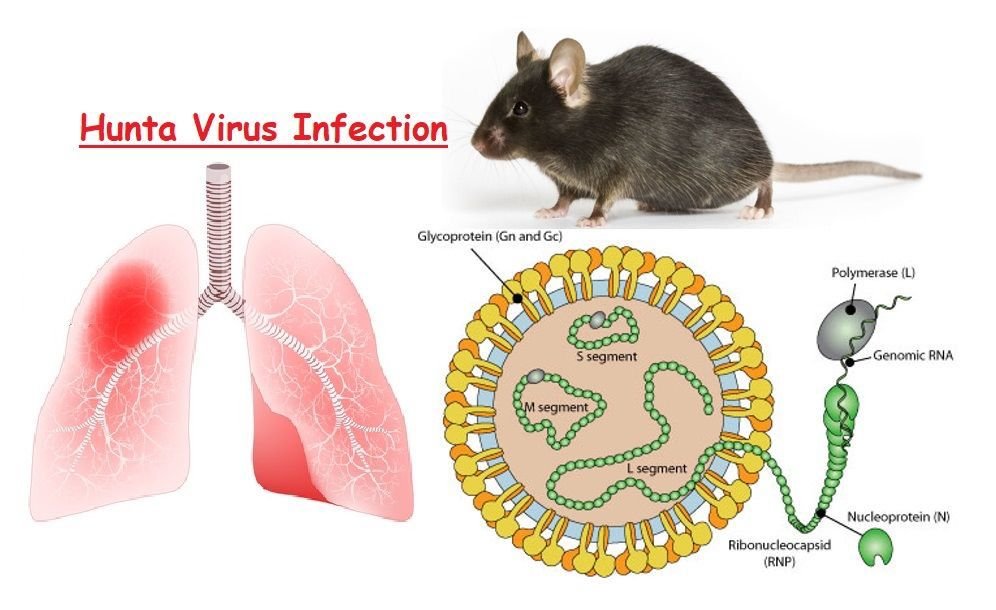
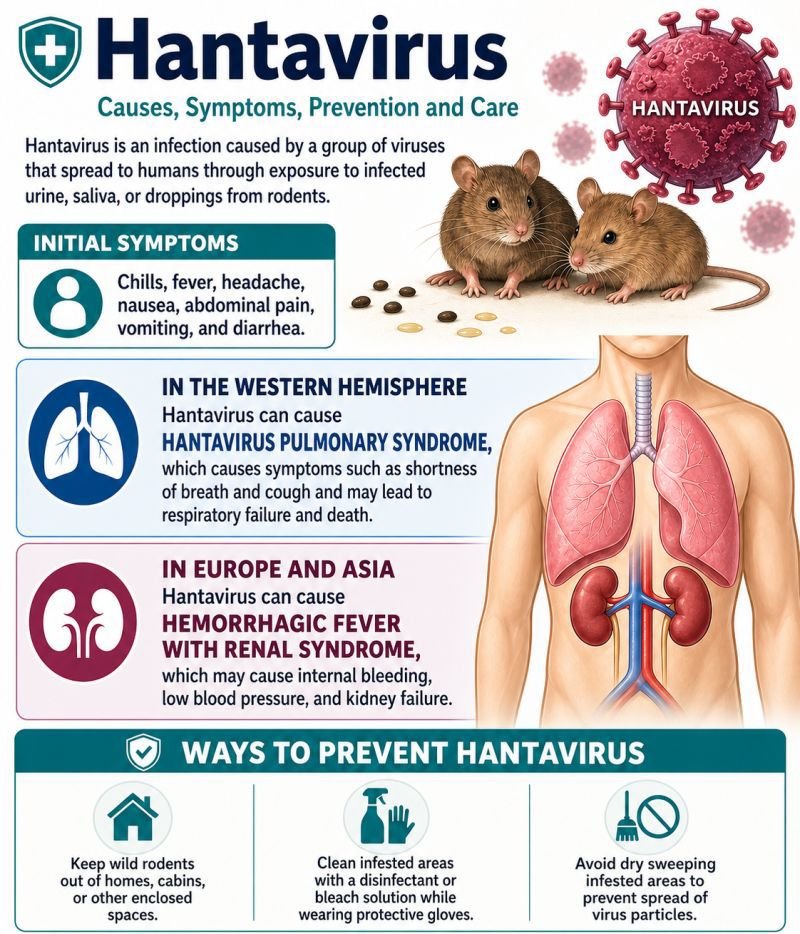
Hantavirus is a group of viruses mainly carried by rodents such as rats and mice. Humans may become infected after breathing in particles contaminated with rodent urine, saliva, or droppings.
The virus can cause severe illnesses affecting the lungs and kidneys, depending on the specific strain involved.
Areas Where Infection Risks Are Higher
Infection risks increase in:
Poorly ventilated buildings, Farms and warehouses, Cabins and storage spaces, Rodent-infested homes, Dusty enclosed environments.
🔗 Learn more about infectious diseases: World Health Organization (WHO)
Reported Infected Cases and Health Concerns
Recent Public Attention
Health agencies continue monitoring hantavirus-related cases in different parts of the world. While outbreaks remain limited compared to global pandemics, isolated infections still occur every year.
Several cases linked to rodent exposure have been reported in countries across:
North America, South America, Parts of Europe, Certain Asian regions.
Notable Infected Cases
In previous years, some infected individuals experienced severe respiratory complications requiring hospitalization and intensive care treatment. Health experts often highlight these cases to spread awareness about rodent safety and early symptom detection.
In rare situations, clusters of infections have been associated with:
Camping areas, Rural housing, Poor sanitation conditions, Abandoned buildings.
Public Health Monitoring
Organizations such as the CDC and WHO continue tracking infections to prevent panic and ensure early response measures if outbreaks occur.
🔗 Disease outbreak monitoring: European Centre for Disease Prevention and Control (ECDC)
Types of Diseases Caused by Hantavirus
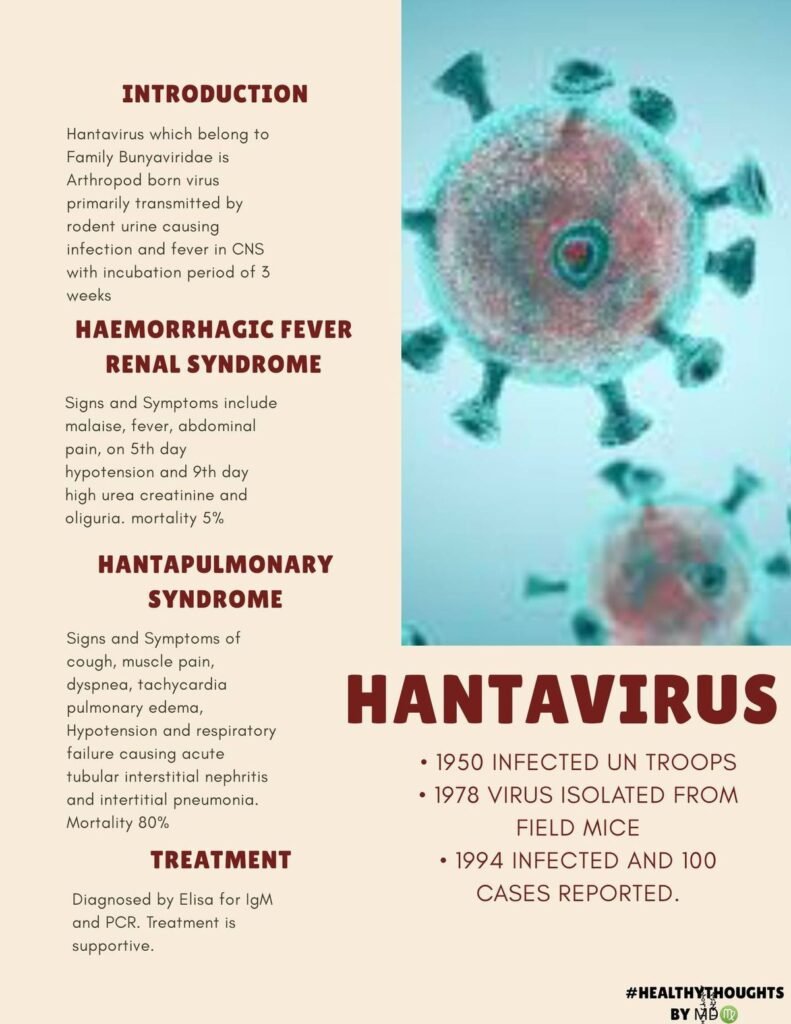
Hantavirus Pulmonary Syndrome (HPS)
HPS mainly affects the lungs and is more common in the Americas.
Symptoms may include:
Fever Muscle pain, Fatigue, Chest tightness, Difficulty breathing.
Severe cases may lead to respiratory failure if treatment is delayed.
Hemorrhagic Fever with Renal Syndrome (HFRS)
HFRS is more common in Europe and Asia.
It may cause:
Kidney damage, Internal bleeding, Low blood pressure, Severe fever symptoms.
🔗 Medical overview of hantavirus illnesses: National Institutes of Health (NIH)
Early Symptoms of Hantavirus Infection
Common Early Signs
The virus often begins with symptoms similar to flu or viral fever, making diagnosis difficult during the early stage.
Early symptoms include:
Fever, Headache, Chills, Muscle aches, Nausea, Vomiting, Abdominal pain, Fatigue.
Severe Symptoms
As the infection progresses, dangerous complications may develop.
Severe symptoms include:
Breathing difficulty, Persistent coughing, Fluid buildup in lungs, Low oxygen levels, Kidney complications.
People experiencing severe breathing problems should seek immediate medical care.
🔗 Symptoms and diagnosis guide: Mayo Clinic – Hantavirus Overview
How Hantavirus Spreads
Main Transmission Methods
The virus mainly spreads when people inhale contaminated dust particles from rodent waste.
Common exposure sources:
Sweeping rodent droppings, Cleaning infested areas without protection, Touching contaminated surfaces, Living near rodent populations.
Can It Spread Between Humans?
Most hantavirus strains do not spread easily from person to person. Experts state that widespread community transmission is extremely rare.
This is one reason why hantavirus is not considered similar to COVID-19 in terms of contagiousness.
🔗 Official transmission information: CDC – Hantavirus Transmission
Who Is Most at Risk?
High-Risk Groups
People more vulnerable to infection include:
Farmers, Construction workers, Campers and hikers, Rural residents, Warehouse employees.
Environmental Risk Factors
Risk levels increase in places with:
Poor hygiene, Heavy rodent activity, Dusty closed buildings, Improper food storage.
Climate changes and environmental disruptions may also affect rodent populations.
Prevention and Safety Tips
Rodent Control Measures
Preventing rodent infestations is one of the best protection methods.
Safety recommendations:
Seal holes and cracks in buildings, Store food in closed containers, Remove trash regularly, Keep homes and workplaces clean.
Safe Cleaning Methods
When cleaning potentially contaminated areas:
Wear gloves and masks, Use disinfectant sprays, Avoid dry sweeping, Open windows for ventilation.
Personal Protection
People visiting rural areas or abandoned buildings should remain cautious and maintain proper hygiene.
🔗 Prevention and safety advice: CDC – Hantavirus Prevention
Diagnosis and Treatment
Medical Diagnosis
Doctors may use:
Blood testing, Chest scans, Oxygen monitoring, Patient exposure history.
Early diagnosis improves treatment outcomes significantly.
Treatment Options
Currently, there is no specific antiviral cure for hantavirus. Treatment focuses on supportive care and symptom management.
Patients with severe illness may require:
Oxygen therapy, Intensive care support, Fluid management, Respiratory assistance.
🔗 Medical treatment information: Johns Hopkins Medicine – Hantavirus Facts
Public Awareness and Media Attention
Social Media Discussions
Recent online discussions and viral posts have increased public attention toward hantavirus outbreaks and infected cases.
While awareness is important, health experts advise people to rely on verified medical information instead of rumors or panic-based content.
Importance of Verified Information
Trusted sources include:
WHO, CDC, National health departments, Medical institutions.
🔗 Trusted health updates: World Health Organization (WHO)
Conclusion
Hantavirus remains a serious but relatively rare viral disease that requires proper awareness and preventive action. Although isolated infected cases continue to appear worldwide, experts emphasize that the virus does not spread as easily as major pandemic diseases.
Understanding symptoms, reducing rodent exposure, and following proper cleaning practices are essential steps for staying safe. Public awareness, early diagnosis, and accurate information from trusted medical sources can help reduce risks and prevent unnecessary fear.