
Introduction
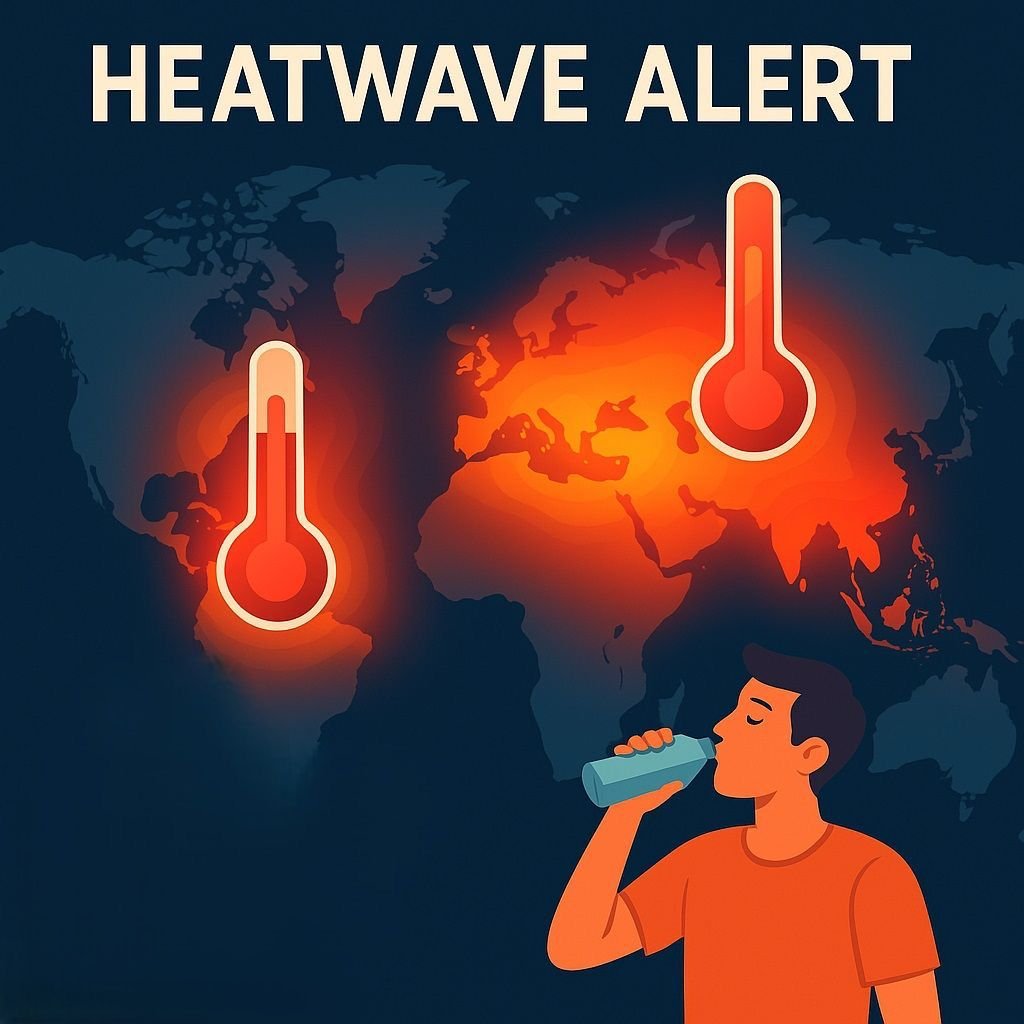
Climate change is no longer a distant warning about the future—it is a present-day global crisis. Around the world, rising temperatures, wildfires, floods, and extreme weather conditions are becoming more frequent and dangerous. One of the most alarming effects of climate change is the rapid increase in deadly heatwaves.
Recent reports and scientific studies warn that countries like Australia could experience thousands of heat-related deaths every year by the end of the century if global warming continues at its current pace. Heatwaves are becoming longer, hotter, and more life-threatening, especially for vulnerable populations such as children, elderly people, and those with health conditions.
🔗 Learn more about climate change: United Nations Climate Action
What Is a Heatwave?
Definition of Heatwaves
A heatwave is a prolonged period of excessively hot weather that can last for several days or even weeks. These extreme temperatures often occur alongside high humidity, making conditions even more dangerous for human health.
Why Heatwaves Are Increasing
Scientists agree that climate change caused by greenhouse gas emissions is one of the major reasons behind rising global temperatures. Human activities such as burning fossil fuels, deforestation, and industrial pollution trap heat in the atmosphere, leading to global warming.
🔗 Read scientific climate data: NASA Climate Change
The Situation in Australia
Rising Temperatures Across the Country
Australia has already experienced record-breaking temperatures in recent years. Many regions now face hotter summers, longer dry seasons, and more severe bushfires.
According to recent climate research, heat-related deaths in Australia could rise dramatically by the year 2100 if governments and industries fail to reduce carbon emissions.
Impact on Public Health
Extreme heat affects the human body in many dangerous ways:
Dehydration, Heatstroke, Heart problems, Breathing difficulties, Increased risk for elderly citizens.
Hospitals often experience increased emergency cases during severe heatwaves.
🔗 Health impacts of heatwaves: World Health Organization – Climate Change and Health
How Climate Change Is Fueling Extreme Weather
Greenhouse Gases and Global Warming
Greenhouse gases such as carbon dioxide and methane trap heat inside Earth’s atmosphere. As emissions continue to rise, the planet becomes warmer year after year.
Other Climate Disasters Linked to Global Warming
Climate change is not only causing heatwaves. It is also connected to:
Stronger hurricanes, Flooding, Droughts, Melting glaciers, Rising sea levels, Wildfires.
🔗 Explore global climate reports: IPCC Climate Reports
Who Is Most at Risk During Heatwaves?
Elderly People
Older adults are more vulnerable because their bodies struggle to regulate temperature efficiently.
Children and Infants
Young children dehydrate faster and may not recognize symptoms of heat exhaustion.
Outdoor Workers
Construction workers, farmers, delivery drivers, and laborers face high exposure to extreme heat during working hours.
Low-Income Communities
Poor housing conditions and lack of air conditioning make heatwaves even more dangerous for low-income families.
Economic and Environmental Effects
Damage to Agriculture
Extreme heat damages crops, reduces water supplies, and affects food production worldwide.
Energy Consumption Increase
During heatwaves, electricity demand rises sharply because people use air conditioners and cooling systems more frequently.
Wildlife and Ecosystems
Animals and marine life are also affected by rising temperatures. Coral reefs, forests, and biodiversity are under serious threats.
🔗 Environmental impact studies: National Geographic – Climate Change Effects
How Governments Are Responding
Climate Policies
Many governments are introducing:
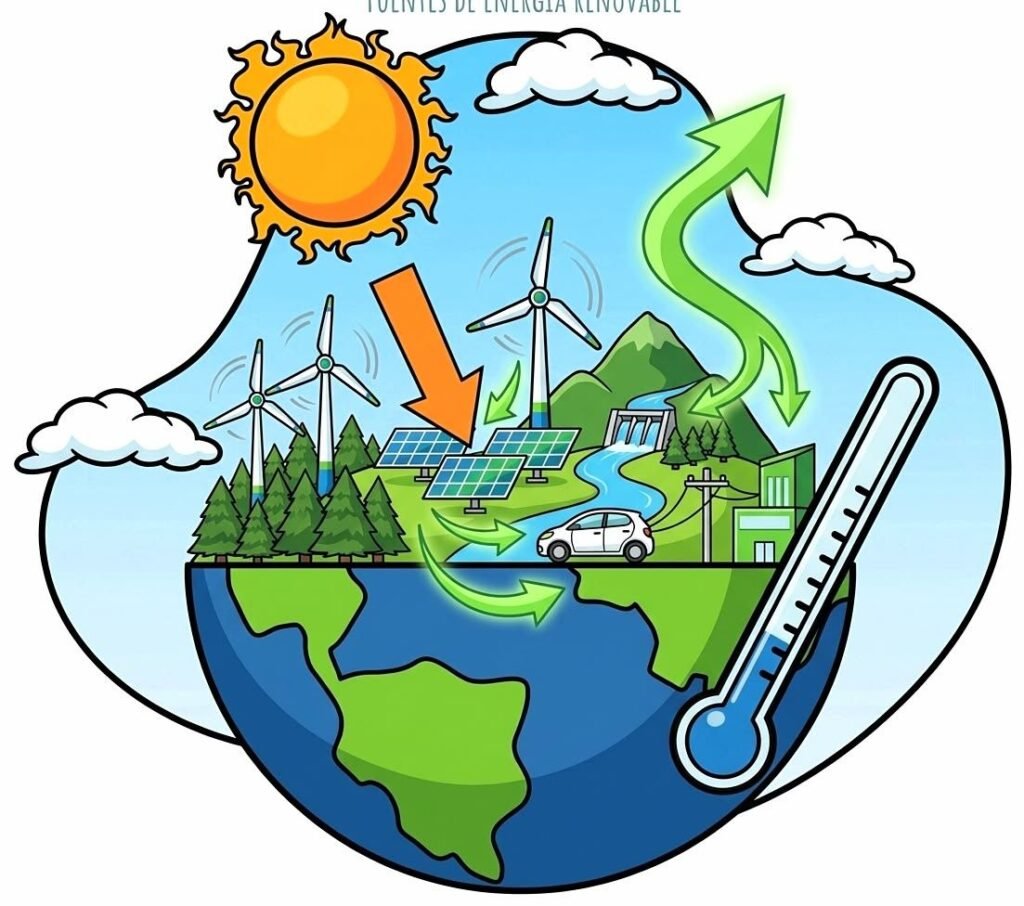
Renewable energy projects, Carbon reduction targets, Electric vehicle programs, Environmental protection laws.
Heatwave Emergency Plans
Cities are also improving:
Public cooling centers, Emergency medical responses, Heat warning systems.
However, experts believe stronger global cooperation is still necessary.
What Individuals Can Do
Reduce Carbon Footprint
People can help by:
Using public transport, Saving electricity, Recycling waste, Supporting renewable energy.
Stay Safe During Heatwaves
Safety tips include:
Drinking plenty of water, Avoiding direct sunlight, Wearing light clothing, Staying indoors during peak heat hours.
🔗 Heatwave safety guide: Centers for Disease Control and Prevention – Extreme Heat
The Role of Technology in Fighting Climate Change
Renewable Energy
Solar and wind energy are becoming major alternatives to fossil fuels.
Smart Cities and Innovation
Modern technology helps cities monitor weather conditions, reduce emissions, and improve energy efficiency.
Artificial Intelligence and Climate Monitoring
AI systems can predict weather patterns, analyze climate data, and improve disaster response systems.
🔗 Climate technology innovations: World Economic Forum – Climate Tech
Conclusion
Climate change is one of the greatest challenges facing humanity today. Rising temperatures and deadly heatwaves are clear warnings that urgent action is needed. Countries like Australia are already witnessing the dangerous effects of global warming, and scientists warn that the situation could worsen in the coming decades.
Governments, businesses, and individuals all have a role to play in reducing emissions and protecting the environment. While technology and policy changes can help slow climate change, awareness and collective action remain essential.


