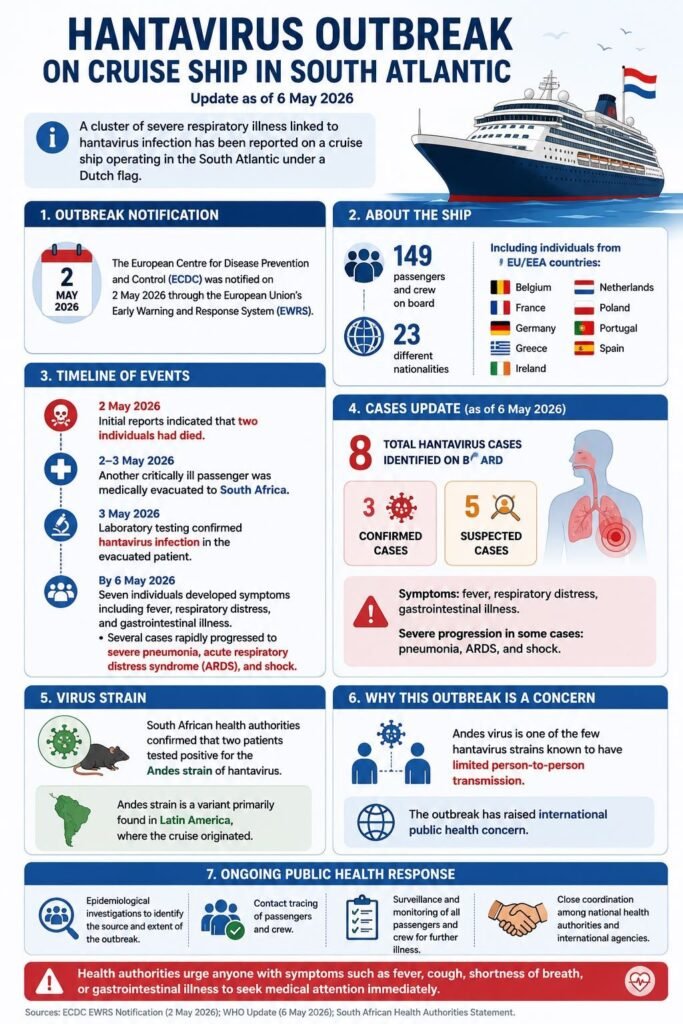
The global conversation surrounding Hantavirus has intensified after several new developments connected to the recent cruise ship outbreak raised international concern. While health officials continue to emphasize that the virus is not spreading like COVID-19, recent reports involving critically ill passengers, cross-border monitoring, and scientific investigations have pushed the outbreak into global headlines.
What initially appeared to be an isolated health incident has now evolved into a closely monitored international medical situation involving multiple countries, emergency health agencies, and ongoing scientific research.
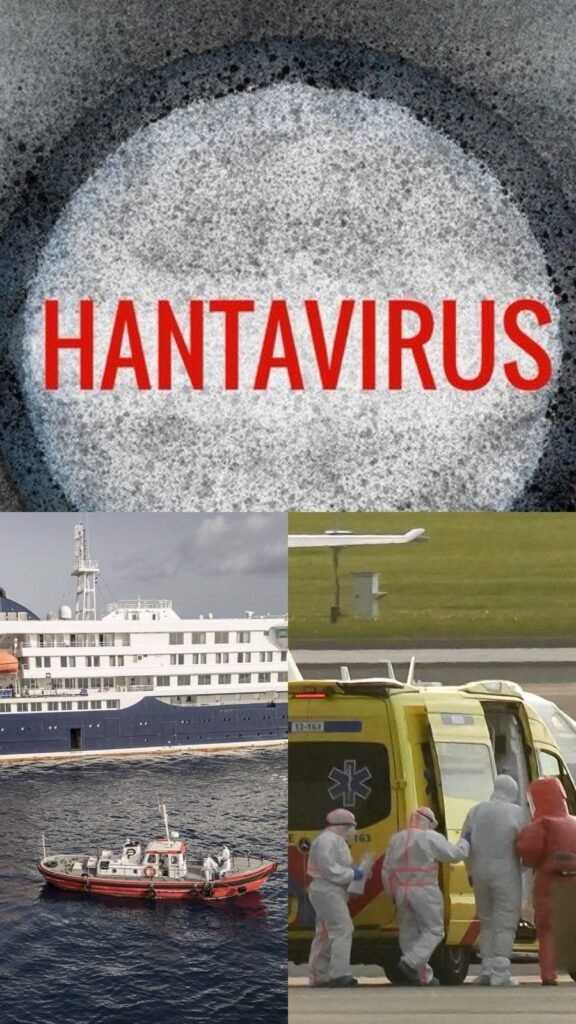
The recent outbreak linked to the MV Hondius cruise ship has triggered discussions about:
international travel safety, cruise ship health regulations, possible virus mutations, delayed symptom detection and future outbreak preparedness.
Although experts continue urging the public not to panic, the latest updates have increased global attention surrounding the virus and its potential risks.
The Cruise Ship Outbreak Continues to Expand
One of the most significant new developments is the growing number of reported cases connected to the cruise ship outbreak.
According to recent international reports:
confirmed cases linked to the voyage have increased, passengers from multiple countries are now under monitoring, several health agencies are coordinating investigations together.
The outbreak gained major attention because infected individuals reportedly traveled internationally before symptoms fully appeared.
This has complicated health monitoring efforts and increased concerns regarding delayed detection during international travel.
Why the MV Hondius Case Became a Global Health Story
Unlike previous isolated Hantavirus incidents, this outbreak quickly became international because of the nature of cruise tourism.
Cruise ships create environments where:
passengers remain in close proximity, ventilation systems are shared, enclosed spaces increase exposure risks, travelers move across multiple countries rapidly.
Health experts are now studying whether environmental conditions onboard may have contributed to wider exposure among passengers.
Several countries have reportedly increased medical observation procedures for returning travelers connected to the cruise.
CDC Hantavirus Information
WHO Warns Countries to Prepare for More Cases
International Health Agencies Increase Surveillance
A major new development came after global health organizations reportedly advised countries to remain alert for additional Hantavirus cases linked to the outbreak.
The main concern is not mass global spread, but rather:
delayed symptom appearance, international passenger movement, potential unnoticed exposure chains.
Health authorities are particularly focused on monitoring individuals who may have traveled while still asymptomatic.
Experts continue to stress that:
current evidence does not indicate a pandemic-level event, widespread airborne transmission has not been confirmed, public risk remains relatively low.
However, international surveillance efforts have clearly intensified.
Multiple Countries Begin Monitoring Returning Travelers
Cross-Border Medical Observation Expands
Passengers connected to the outbreak have reportedly returned to more than 20 countries, creating a complicated international health monitoring situation.
Countries reportedly involved in monitoring include:
the United States, Spain, France, Germany, the Netherlands, the United Kingdom, Japan.
Some travelers have entered precautionary observation programs while health officials continue tracking potential symptoms and exposure timelines.
This multinational response shows how modern travel can rapidly transform local outbreaks into global health discussions.
MedlinePlus – Hantavirus Infections
Scientists Investigate Possible Virus Mutation
Genetic Sequencing Studies Underway
Another major development involves scientific investigations into the virus strain itself.
Researchers are reportedly analyzing genetic samples to determine:
whether the virus shows unusual behavior, if transmission patterns differ from previous outbreaks, whether any mutations may exist.
At this stage, experts say there is no confirmed evidence of a dangerous mutation. However, scientists continue studying the situation carefully because certain Hantavirus strains have historically shown limited human-to-human transmission in rare cases.
The scientific community is treating the investigation seriously while avoiding unnecessary alarm.
Critically Ill Patient Raises Public Anxiety
Artificial Lung Support Used in Severe Case
One of the most alarming updates involved reports of a passenger placed on advanced artificial lung support after developing severe respiratory complications.
Medical professionals reportedly used ECMO support, a life-saving procedure often reserved for patients whose lungs cannot provide enough oxygen naturally.
This case significantly increased public attention online because:
severe respiratory symptoms resemble pandemic-era fears, social media amplified emotional reactions, many people misunderstood the actual transmission risk.
Doctors continue emphasizing that severe Hantavirus cases remain relatively rare, even though the illness itself can become dangerous in certain situations.
Cruise Ship Industry Faces Increased Scrutiny
Health and Ventilation Systems Under Review
The outbreak has also placed new pressure on the cruise tourism industry.
Health experts are now discussing whether:
cruise ventilation systems require improvement, onboard disease monitoring protocols should change, international maritime health policies need updating.
Some analysts believe the incident may lead to stricter sanitation and passenger screening procedures across future cruise operations.
The cruise industry already experienced major challenges during the COVID-19 pandemic, and this new outbreak has reopened discussions regarding infection control in enclosed travel environments.
Social Media Reactions and Online Panic
Next COVID” Trends Go Viral Again
As news spread internationally, social media platforms quickly became flooded with speculation, fear, and misinformation.
Trending discussions included:
“Is this another pandemic?”, “Cruise ship outbreak crisis”, “Mutated virus fears”, “Zombie virus comparisons”.
Many viral posts exaggerated the situation despite experts repeatedly clarifying that Hantavirus behaves very differently from COVID-19.
Medical specialists continue reminding the public that:
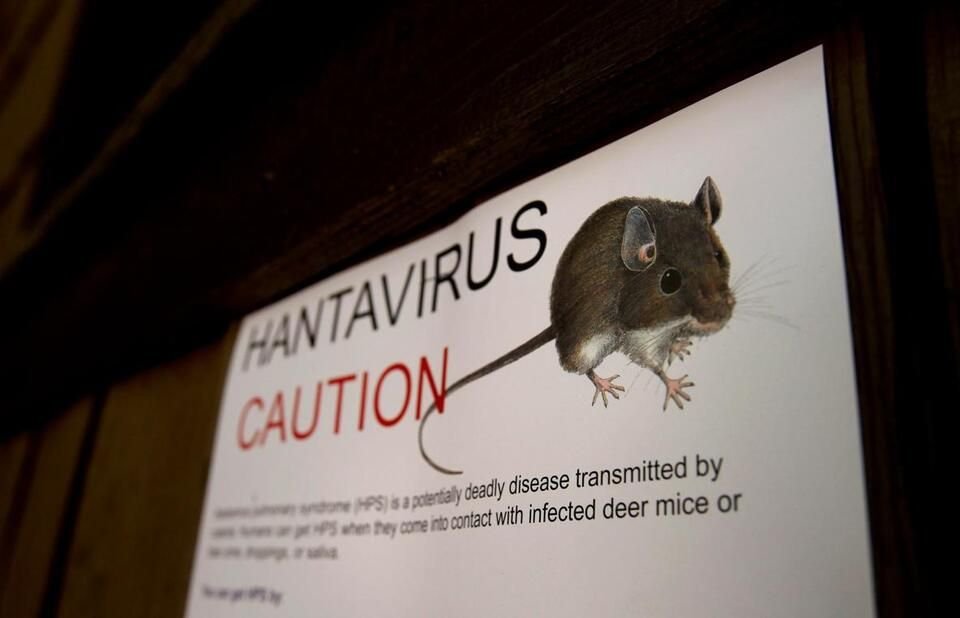
most Hantavirus strains are rodent-borne, human spread remains uncommon, large-scale global transmission has not been observed.
Still, fear-driven online discussions continue spreading rapidly.
Global Psychological Impact
Public Fear Around New Viruses Continues
Even though confirmed cases remain limited, the psychological impact has been significant.
The outbreak has reminded many people of:
lockdown memories, pandemic fears, travel anxiety, concerns about hidden outbreaks.
Experts say the world is now far more emotionally sensitive to infectious disease news after COVID-19, which explains why even relatively rare outbreaks receive massive global attention.
What Happens Next?
Monitoring and Research Continue
Health agencies and researchers are expected to continue:
passenger monitoring, outbreak tracing, genetic analysis, international coordination, public risk assessment.
Scientists are particularly focused on understanding:
how exposure occurred onboard, whether environmental contamination played, a role and if additional hidden cases may emerge later.
For now, health officials continue encouraging awareness rather than panic.
Final Thoughts
The recent Hantavirus cruise ship outbreak has become one of the most discussed global health stories of 2026. While experts insist the situation is very different from COVID-19, the outbreak has still highlighted important concerns involving international travel, outbreak preparedness, and public misinformation.
The growing number of monitored passengers, ongoing scientific investigations, and increased international coordination have transformed the incident into a closely watched medical event worldwide.
At the same time, health agencies continue emphasizing that:
widespread human transmission remains unlikely, current public risk is low, and proper information is more important than online fear.
As investigations continue, the situation serves as another reminder of how quickly modern outbreaks can capture worldwide attention in the digital era.
National Geographic Health