
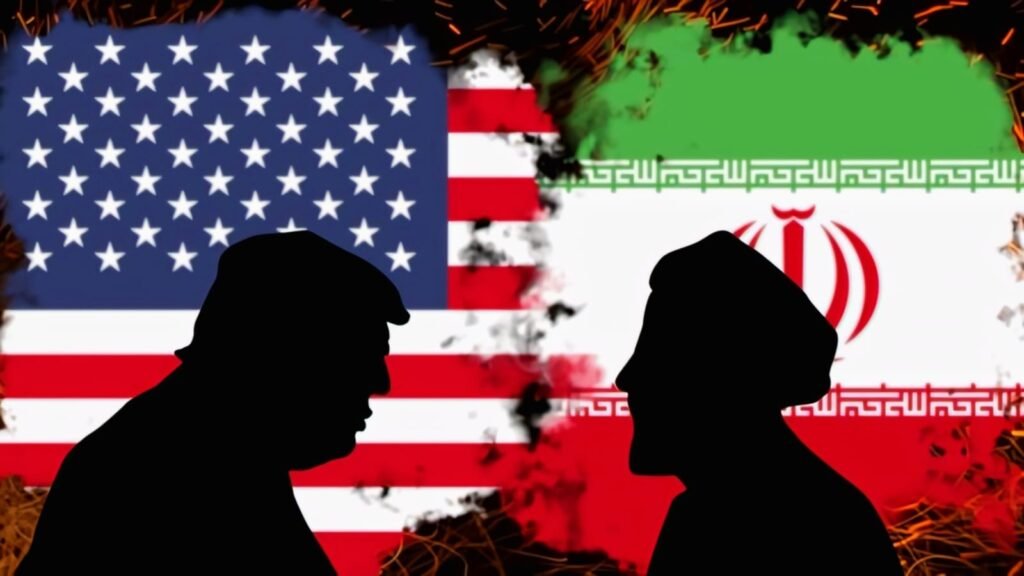
Pakistan has recently played a significant diplomatic role in easing tensions between the United States and Iran by helping both sides reach a temporary ceasefire agreement. Through effective backchannel diplomacy and continuous communication, Pakistan acted as a mediator to reduce the risk of further escalation in the region. This development highlights Pakistan’s growing importance in global geopolitics, particularly in conflict resolution and peace-building efforts. While the ceasefire is not a permanent solution, it represents a crucial step toward stability and dialogue.
Pakistan’s Role in Global Diplomacy
Pakistan is increasingly becoming an important player in international diplomacy. By acting as a mediator between powerful nations like United States and Iran, it shows its ability to influence global peace efforts. This role enhances Pakistan’s image on the world stage. It also opens doors for stronger international relationships. Such diplomatic efforts are key to long-term regional stability.
Understanding the US-Iran Conflict
The tension between the United States and Iran has deep historical and political roots. Issues like nuclear programs, sanctions, and regional influence have kept relations strained. These conflicts often impact global oil markets and security. A ceasefire helps reduce immediate risks. However, long-term peace requires deeper negotiations.
Importance of Ceasefire Agreements
A ceasefire is a temporary halt in fighting that allows both sides to pause conflict. It creates space for dialogue and reduces casualties. In the case of the US-Iran situation, the ceasefire prevents further escalation. It also helps stabilize the region economically and politically. Such agreements are often the first step toward lasting peace.
Impact on Middle East Stability
The Middle East is a sensitive region where conflicts can quickly spread. Reducing tensions between major powers helps maintain balance. Pakistan’s mediation contributes to lowering regional instability. It also protects global trade routes and energy supplies. Stability in this region benefits the entire world economy.
Future of Diplomatic Negotiations
The ceasefire is just the beginning of a longer diplomatic process. Continuous dialogue between the United States and Iran is necessary for a permanent solution. Countries like Pakistan can continue playing a supportive role. Future negotiations will determine long-term peace. Strong diplomacy remains the key to avoiding future conflicts.
Backchannel diplomacy refers to private and unofficial negotiations that take place behind the scenes.
Pakistan used this approach to facilitate communication between the United States and Iran without public pressure.
This method helps reduce misunderstandings and increases the chances of reaching an agreement.
It is commonly used in sensitive international conflicts.
https://www.tasnimnews.com (Iran-related updates)
The Strait of Hormuz is one of the most critical global oil routes. Any conflict in this area can disrupt the world’s oil supply. The ceasefire helped ensure the safety of this strategic passage. Its stability is directly linked to the global economy.
Major world powers responded positively to the ceasefire. They viewed it as an important step toward de-escalation and stability. Such agreements help reduce immediate tensions and prevent further conflict. They also create opportunities for future diplomatic discussions.
Pakistan is expanding its role beyond regional politics into global diplomacy. Peace-building and mediation are becoming key elements of its foreign policy. This enhances Pakistan’s international credibility and influence. It also positions the country as a responsible global actor.
A ceasefire is only a temporary pause in conflict, not a permanent solution. Afterward, negotiations and monitoring processes begin. If talks fail, tensions can rise again. Continuous diplomacy is essential to maintain peace.
Media plays a powerful role in shaping public opinion during conflicts. Sometimes, information can be exaggerated or misinterpreted. It is important to rely on credible sources for accurate updates. Responsible reporting helps improve public awareness and understanding.
https://www.un.org (United Nations – Peace & Conflict section)
In conclusion, the recent ceasefire between the United States and Iran highlights the growing importance of diplomacy in resolving global conflicts. Pakistan’s role as a mediator demonstrates how strategic communication and backchannel negotiations can help reduce tensions without direct confrontation. While the ceasefire is only a temporary measure, it creates an opportunity for continued dialogue and long-term stability. This development also reflects the shifting dynamics of international relations, where cooperation and negotiation are becoming more effective than force. Ultimately, sustained diplomatic efforts will be essential to achieving lasting peace and preventing future conflicts.


