
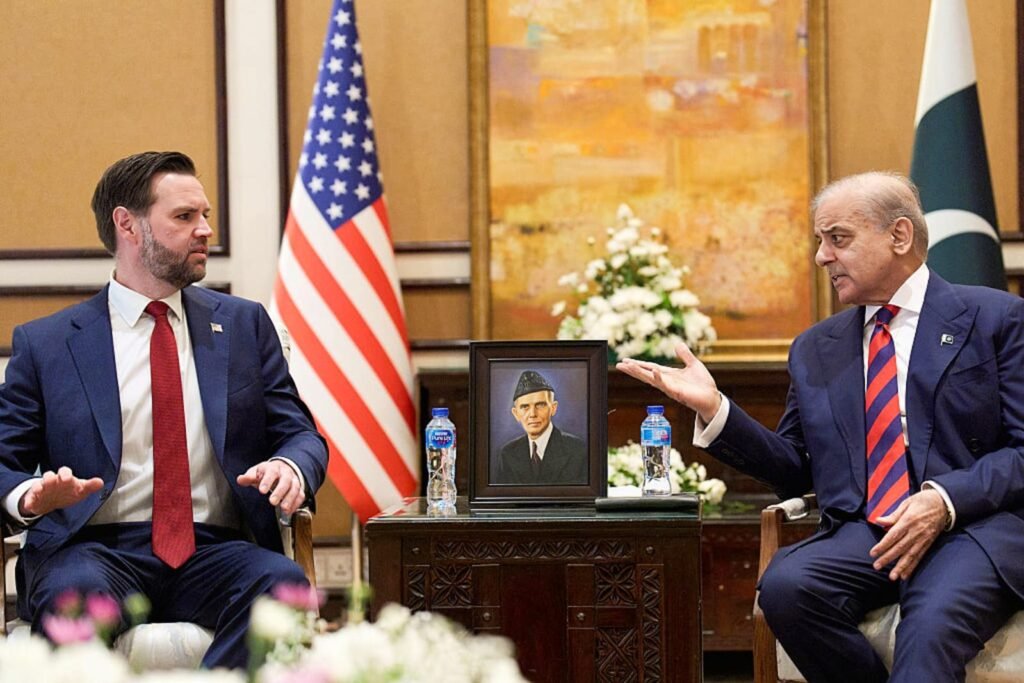
In 2026, global attention shifted toward Islamabad after reports confirmed that high-level officials from the United States and Iran had arrived for crucial discussions. Almost immediately, speculation began circulating on social media, with many people claiming that the purpose of the visit was to declare war. However, a closer and more accurate analysis reveals a completely different reality. These talks were not about escalating conflict but rather about reducing tensions, preventing further escalation, and exploring diplomatic solutions in an increasingly volatile geopolitical environment.
This article provides a comprehensive, SEO-friendly, and fact-based explanation of the Islamabad talks, Pakistan’s diplomatic role, and the broader implications for global peace and stability.
Background: Understanding the US–Iran Conflict
The tensions between the United States and Iran are not new. Their relationship has been marked by decades of mistrust, political disagreements, and strategic rivalry. Key issues include Iran’s nuclear program, economic sanctions imposed by the United States, and both countries’ influence in the Middle East.
Over time, these tensions have led to multiple crises, including military stand-offs, economic pressure campaigns, and proxy conflicts. In 2026, the situation escalated further, raising concerns of a potential large-scale conflict that could impact global security and economic stability.
According to reports from Al Jazeera (https://www.aljazeera.com), diplomatic efforts intensified as global leaders sought ways to avoid a direct confrontation. The need for a neutral platform for dialogue became increasingly urgent.
Why Islamabad Became the Center of Attention
Pakistan emerged as a key player in facilitating dialogue between the two nations. Hosting the talks in Islamabad provided a neutral and strategically suitable location. Pakistan has historically maintained relations with both the United States and Iran, positioning it as a credible mediator.
The decision to hold talks in Islamabad reflects Pakistan’s growing role in global diplomacy. By offering a platform for dialogue, Pakistan demonstrated its commitment to peace-building and conflict resolution. Reports from Reuters (https://www.reuters.com) indicate that Pakistan engaged in continuous diplomatic communication with both sides before and during the talks.
The Real Purpose of the Meeting
Contrary to viral claims, the Islamabad meeting was not about declaring war. Instead, it focused on several critical objectives Reducing immediate military tensions, Establishing a temporary ceasefire, Opening communication channels for long-term negotiations, Preventing further escalation in sensitive regions.
These goals highlight the importance of diplomacy in modern conflict management. The talks were part of a broader effort to stabilize the situation and avoid a catastrophic outcome.
Inside the Talks: What Happened?
The discussions reportedly lasted for many hours, reflecting the seriousness and complexity of the issues involved. Both sides presented their concerns, demands, and conditions for de-escalation.
While no final agreement was reached during the initial round of talks, the willingness of both the United States and Iran to engage in dialogue was itself a significant achievement. According to BBC News (https://www.bbc.com/news), both parties left the door open for continued negotiations, signaling a cautious but positive step forward.
Pakistan’s Role as a Mediator
Pakistan played a central role in bringing both nations to the negotiating table. Its efforts included Facilitating communication between both sides, Providing a neutral venue for discussions, Encouraging peaceful dialogue over confrontation, Supporting confidence-building measures.
Pakistan’s involvement highlights its evolving foreign policy, which increasingly emphasizes diplomacy and regional stability. By acting as a mediator, Pakistan enhanced its international credibility and demonstrated its ability to contribute to global peace efforts.
Global Reactions to the Islamabad Talks
The international community closely monitored the Islamabad talks. Many countries and organizations welcomed the initiative, viewing it as a positive step toward de-escalation.
Global powers emphasized the importance of dialogue in resolving conflicts and avoiding unnecessary violence. The talks were seen as an example of how diplomacy can be used effectively even in highly tense situations.
The Role of Media and Misinformation
One of the most significant aspects of this situation was the spread of misinformation. Social media platforms were flooded with claims that the meeting was intended to declare war. Such narratives can create panic and misunderstandings.
It is essential to rely on credible sources such as Al Jazeera, Reuters, and BBC News for accurate information. Responsible reporting helps ensure that the public receives correct and verified updates.
Importance of Ceasefire and Diplomatic Dialogue
A ceasefire is a temporary halt in fighting that allows both sides to step back and reconsider their positions. While it does not resolve the underlying issues, it provides an opportunity for negotiation and reduces the risk of further escalation.
The Islamabad talks aimed to create such an opportunity. By focusing on dialogue rather than confrontation, both countries demonstrated a willingness to explore peaceful solutions.
Implications for the Middle East and Global Stability
The outcome of the US–Iran tensions has far-reaching implications. Any conflict between these two nations can affect Global oil prices, Regional security in the Middle East, International trade routes, Global economic stability.
By facilitating dialogue, Pakistan contributed to reducing the risk of these negative outcomes. Stability in this region is crucial for the global economy.
Future Prospects: What Comes Next?
The Islamabad talks were only the beginning of a longer diplomatic process. Future negotiations will be necessary to address the root causes of the conflict. Key areas of focus may include Nuclear agreements, Economic sanctions, Regional security arrangements.
Continued engagement and cooperation will be essential to achieving a lasting solution.
Clearing the Misconception Once Again
It is important to clearly state that the claim that the United States and Iran came to Islamabad to declare war is false. The meeting was a diplomatic effort aimed at reducing tensions and preventing conflict.
Understanding the true purpose of these talks helps counter misinformation and promotes awareness of global diplomatic efforts.
Conclusion
The 2026 Islamabad talks represent a significant moment in international diplomacy. With Pakistan acting as a mediator, the meeting between the United States and Iran focused on dialogue, de-escalation, and the pursuit of peace. While challenges remain, such initiatives demonstrate that negotiation and cooperation are more effective than conflict in addressing global issues.
In a world where misinformation spreads quickly, understanding the facts is more important than ever. The Islamabad talks serve as a reminder that even in times of tension, diplomacy remains the strongest tool for achieving lasting peace.


