Introduction
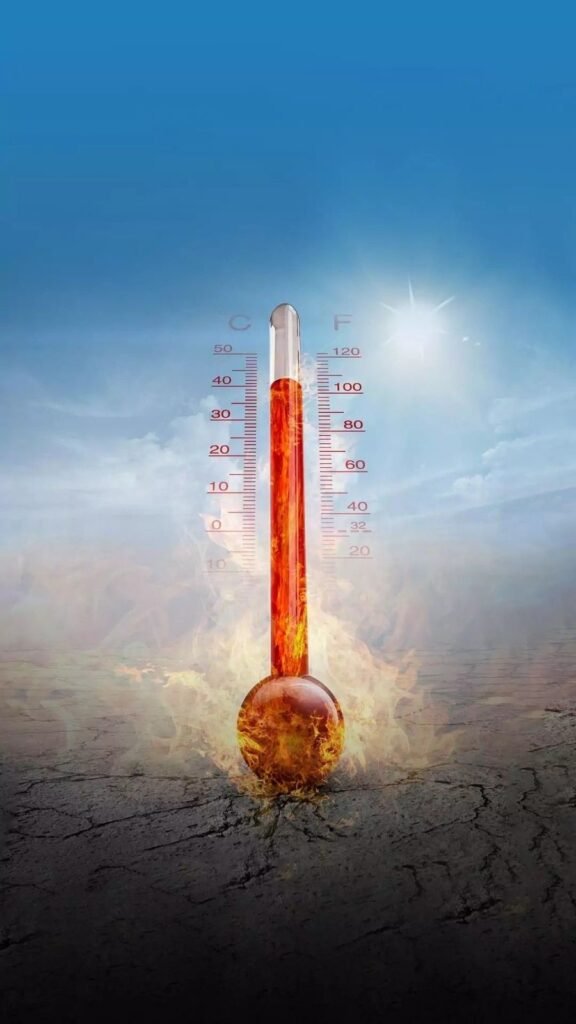
Heatstroke has become one of the most serious global health concerns in 2026 as extreme temperatures continue affecting millions of people worldwide. Climate scientists, health organizations, and governments are warning that rising global temperatures are increasing the frequency and intensity of dangerous heatwaves across multiple continents.
Countries in Europe, Asia, the Middle East, Africa, and North America are experiencing record-breaking heat levels, causing thousands of heat-related illnesses every year. According to the World Health Organization, climate change is directly increasing heat-related health emergencies, especially among children, elderly people, outdoor workers, and individuals with existing medical conditions.
In 2026, several countries reported unusually early summer heatwaves, with temperatures crossing dangerous limits in urban areas. Experts believe that global warming, pollution, rapid urbanization, and deforestation are major reasons behind these rising temperatures.
More information about climate and heat-related health risks can be found on the World Health Organization website: https://www.who.int/news-room/fact-sheets/detail/climate-change-heat-and-health
What Is Heatstroke?
Heatstroke is a severe heat-related illness that occurs when the human body overheats and cannot regulate its internal temperature properly. It is considered a medical emergency because extremely high body temperatures can damage the brain, heart, kidneys, and muscles.
Normally, the human body cools itself through sweating. However, during extreme heat conditions, dehydration and prolonged exposure to high temperatures can stop the body from cooling effectively.
Health experts explain heatstroke symptoms and emergency treatment on the Mayo Clinic website: https://www.mayoclinic.org/diseases-conditions/heat-stroke/symptoms-causes/syc-20353581
Why Heatstroke Cases Are Increasing Worldwide in 2026
The number of heatstroke cases is increasing globally because of multiple environmental and lifestyle factors.
Climate Change and Global Warming
Scientists believe climate change is the biggest factor behind rising heatwaves in 2026. Greenhouse gas emissions continue trapping heat inside the atmosphere, increasing global temperatures year after year.
The United Nations climate reports warn that extreme weather events are becoming more frequent and dangerous. More climate research can be explored on the United Nations Climate website: https://www.un.org/en/climatechange
Urban Heat Islands
Major cities absorb and trap heat because of concrete buildings, roads, traffic pollution, and lack of green spaces. Urban areas often become much hotter than nearby rural regions.
Deforestation
Forests help regulate global temperatures naturally. However, large-scale deforestation is reducing the planet’s ability to absorb heat and carbon dioxide.
Population Growth and Pollution
Growing populations increase energy usage, vehicle emissions, and industrial pollution, all contributing to rising temperatures.
Countries Facing Extreme Heatwaves in 2026
Many countries experienced severe heatwaves during 2026.
Europe
Several European countries, including France, Spain, Italy, and Greece, reported record-breaking temperatures during early summer. Authorities issued health alerts because prolonged heat exposure increased hospital admissions.
South Asia
Pakistan, India, and Bangladesh experienced temperatures exceeding 45°C in multiple regions. Heat-related illnesses affected thousands of people, especially laborers and outdoor workers.
Weather and heatwave monitoring updates can be tracked through the World Meteorological Organization: https://public.wmo.int/en
Middle East
Countries in the Middle East faced dangerous daytime temperatures due to dry desert climates and prolonged sunlight exposure.
United States
Several American states reported rising heat-related emergency cases during heatwaves affecting cities and rural areas.
Common Heatstroke Symptoms
Recognizing heatstroke symptoms early can save lives.
Major Symptoms Include
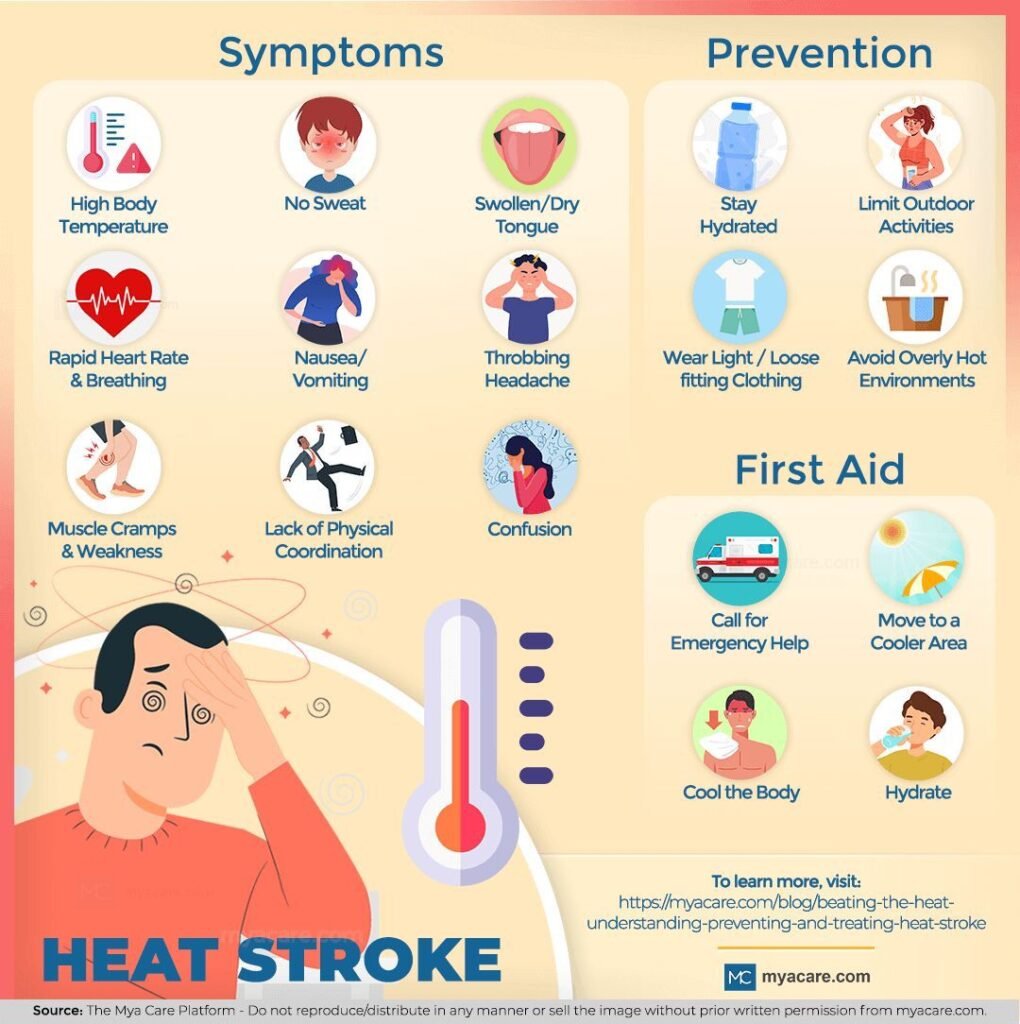
High body temperature, severe headache, dizziness, confusion, rapid heartbeat, nausea, vomiting, dry skin, weakness, difficulty breathing, fainting, muscle cramps, unconsciousness.
Medical experts warn that heatstroke should never be ignored because it can quickly become life-threatening.
Additional emergency health guidance is available on the Centers for Disease Control and Prevention website: https://www.cdc.gov/disasters/extremeheat/index.html
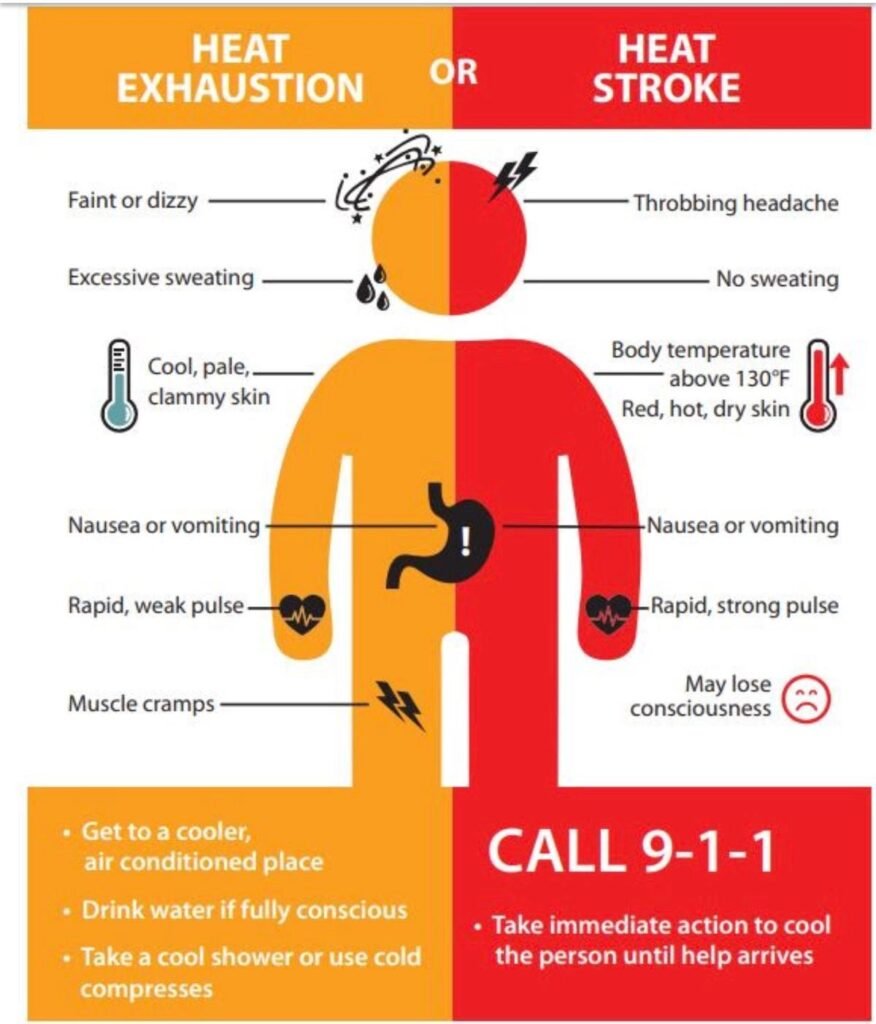
Difference Between Heat Exhaustion and Heatstroke
Many people confuse heat exhaustion with heatstroke, but heatstroke is far more dangerous.
Heat Exhaustion
Heat exhaustion usually includes heavy sweating, tiredness, dehydration, weakness, and dizziness. It can often improve with rest and hydration.
Heatstroke
Heatstroke occurs when body temperature rises dangerously high and the body loses the ability to cool itself properly. Immediate medical attention becomes necessary.
Who Is Most at Risk?
Certain groups face higher risks during extreme heat conditions.
High-Risk Groups Include
Elderly people, infants, outdoor workers, athletes, people with heart disease, individuals with diabetes, people living in overcrowded cities, homeless individuals, and those without access to cooling systems.
Outdoor workers face particularly high risks because prolonged sun exposure can quickly lead to dehydration and heat-related illness.
How Heatstroke Affects the Human Body
Extreme heat can seriously damage important organs.
Brain Damage
High temperatures can affect brain function, causing confusion, memory problems, seizures, and unconsciousness.
Heart Stress
Heatstroke forces the heart to work harder, increasing cardiovascular risks.
Kidney Damage
Severe dehydration can reduce kidney function and lead to long-term complications.
Muscle Breakdown
Extreme heat may damage muscles and affect physical movement.
Heatstroke Prevention Tips in 2026
Preventing heatstroke is becoming increasingly important worldwide.
Effective Prevention Methods
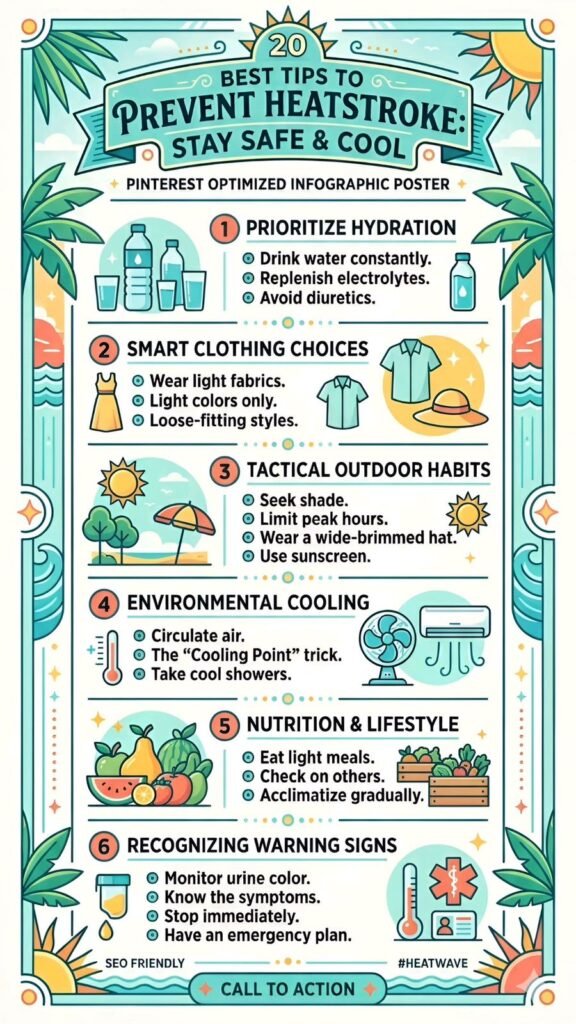
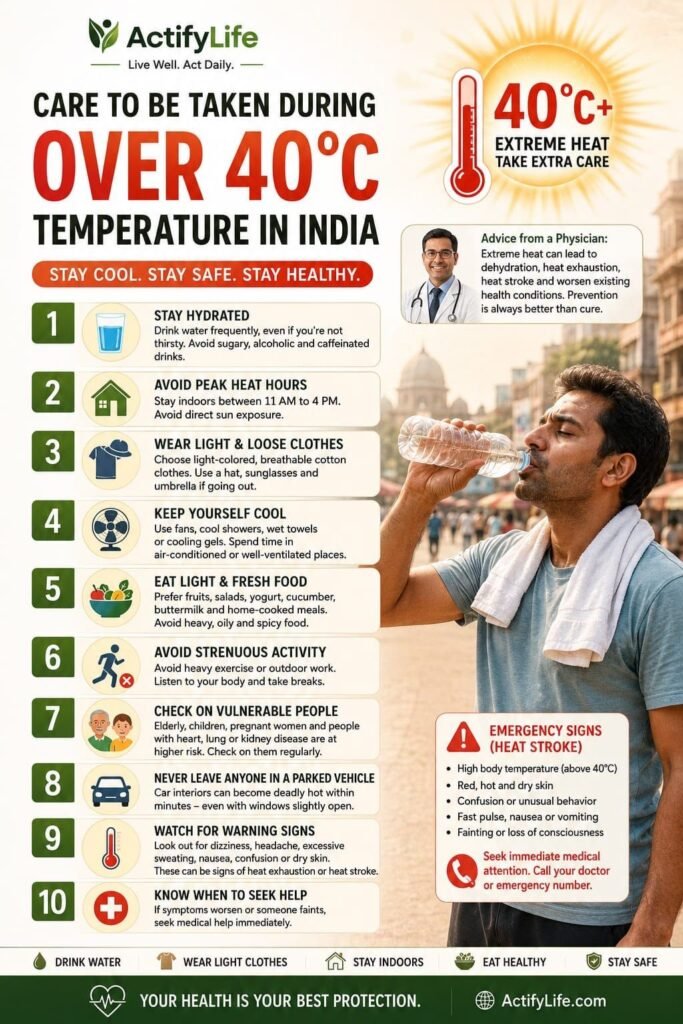
Drink plenty of water regularly, avoid direct sunlight during peak afternoon hours, wear lightweight clothing, stay indoors during heatwaves, use fans or air conditioning when possible, avoid excessive physical activity during extreme temperatures, consume water-rich foods, check weather forecasts regularly.
Real-time weather updates and heat alerts can be checked through AccuWeather: https://www.accuweather.com/
Importance of Hydration During Heatwaves
Hydration plays a major role in preventing heatstroke.
The human body loses large amounts of fluids during hot weather through sweating. Without proper hydration, the body struggles to regulate temperature effectively.
Experts recommend drinking water frequently even before feeling thirsty during extreme heat conditions.
Impact of Heatwaves on Daily Life
Heatwaves affect nearly every aspect of modern life.
Public Health Systems
Hospitals and emergency departments often become overcrowded during severe heatwaves.
Agriculture
Extreme temperatures damage crops and reduce food production.
Electricity Demand
Air conditioning usage increases electricity consumption significantly during heatwaves.
Transportation
Roads, railways, and airports can face operational disruptions because of extreme heat.
Mental Health Effects of Extreme Heat
Researchers are also studying how extreme heat affects mental health.
Studies suggest that prolonged heat exposure may increase stress, irritability, anxiety, sleep disturbances, and emotional exhaustion.
Heatwaves can become especially difficult for people already facing mental health challenges.
Role of Governments and Climate Policies
Governments worldwide are introducing climate adaptation plans to reduce heat-related risks.
Common Government Measures
Public cooling centers, emergency heat alerts, urban tree planting, improved healthcare readiness, environmental awareness campaigns, renewable energy investments.
Many experts believe stronger climate action is necessary to reduce future heat-related disasters.
Climate policy research can also be explored through NASA Climate: https://climate.nasa.gov/
Technology Helping Fight Heatstroke
Technology is playing an important role in monitoring heat risks.
Modern Heat Protection Technologies
Smart weather forecasting systems, wearable hydration trackers, cooling clothing technology, urban temperature monitoring systems, AI-based climate prediction models.
Technology companies and researchers continue developing innovative solutions to protect people from dangerous temperatures.
Future Climate Predictions Beyond 2026
Scientists warn that global temperatures may continue rising during the next decade if greenhouse gas emissions are not controlled effectively.
Future climate concerns include stronger heatwaves, water shortages, food insecurity, rising sea levels, environmental migration, and increased health emergencies.
The Intergovernmental Panel on Climate Change continues publishing scientific climate research and future projections: https://www.ipcc.ch/
How Individuals Can Help Reduce Climate Impact
While governments and organizations play major roles, individuals can also contribute to reducing climate change.
Helpful Environmental Habits
Plant more trees, reduce unnecessary electricity usage, use public transportation when possible, recycle waste materials, reduce pollution, conserve water, support clean energy solutions.
Small actions from millions of people can create meaningful environmental improvements over time.
Conclusion
Heatstroke has become a major worldwide health concern in 2026 as rising temperatures continue affecting millions of people across the globe. Climate change, urban heat, pollution, and environmental destruction are increasing the severity of global heatwaves and creating serious risks for public health.
Understanding heatstroke symptoms, staying hydrated, avoiding extreme heat exposure, and following weather warnings are essential for staying safe during dangerous temperatures.
Experts warn that future summers may become even hotter if global climate issues are not addressed effectively. Governments, scientists, healthcare systems, and individuals all play important roles in reducing heat-related risks and protecting communities from future climate emergencies.
As global temperatures continue rising, awareness, prevention, and climate action will become more important than ever before.