
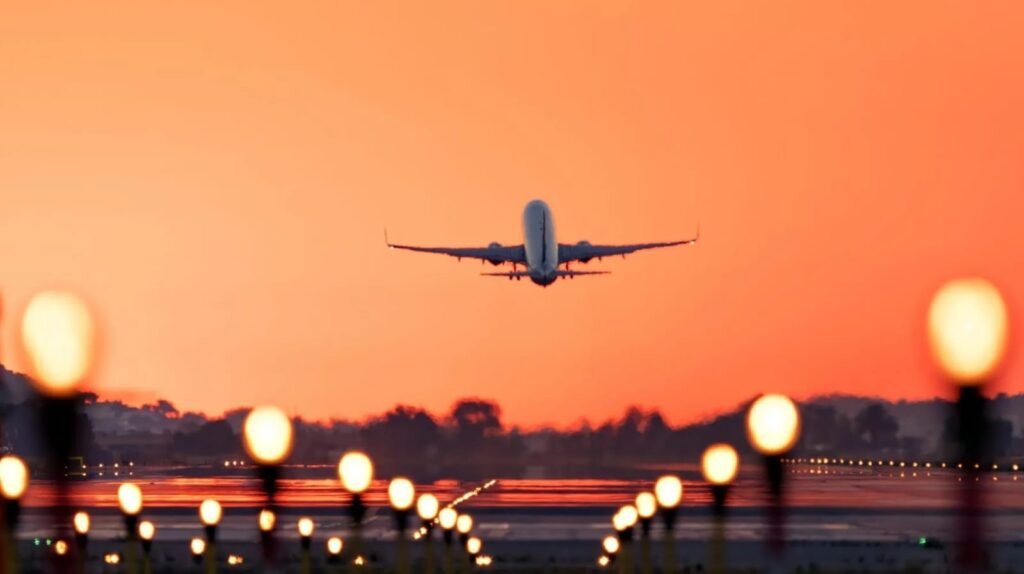
War has a direct impact on international air travel, often making flights tickets more expensive. When conflict arise on a region, airlines adjusts their routes due to safety concerns. As a result, flights are forced to takes longer paths, which increases fuel consumption. At the same time, fuels prices tends to rise up during period of conflict, adding to the overall operating cost of airlines. In addition, security measures and insurance expenses also become higher. Some routes may be temporarily suspended, reducing the number of available flights. When supply decreases and demand remains high, ticket prices naturally increases. In this way, war indirectly makes air travel more costly.
Rising Fuel Costs and Economic Pressure
Conflicts disrupts oil supply, which leads to an increase fuel price. Aviation fuel is already expensive, and it become even more costly during the period of war. As a result, airlines are facing higher operational expenses. This directly affects tickets pricing. When fuel fares rises, airlines adjust their fares accordingly. This ultimately makes air travel more expensive on a global scale.
Increased Security and Insurance Costs
During times of war, airlines are required to follow stricter security measures. This includes enhanced aircrafts safety checks and continuous route monitoring. Insurance companies also increases their fees due to high risks. These additional charges create extra expenses for airlines. To manage these costs, airlines raise ticket prices. As a result, the burden of safety expenses is passed on to passengers.
Impact on Global Travel and Connectivity
War is not limited to a single region; it also affects global travel. When international routes are disrupted, connecting flights are impacted as well. Both travel time and costs increases. Tourists and business travelers face difficulties Consequently, Airlines are forced to frequently adjust their schedules. In this way, war indirectly affects the global travel system.
Overall, war has a significant impact on international air travel and global connectivity. It increases flight costs due to higher fuel prices, longer routes, and rising operational expenses. Airlines are also forced to spend more on security and insurance, which further raises ticket prices. At the same time, route disruptions reduce flight availability and limit travel options for passengers. These combined factors make air travel more expensive and less accessible for many people. Tourists and business travelers both face inconvenience due to frequent schedule changes. In a broader sense, global mobility becomes more challenging during times of conflict. Ultimately, war indirectly reshapes the entire aviation industry and its cost structure.


