
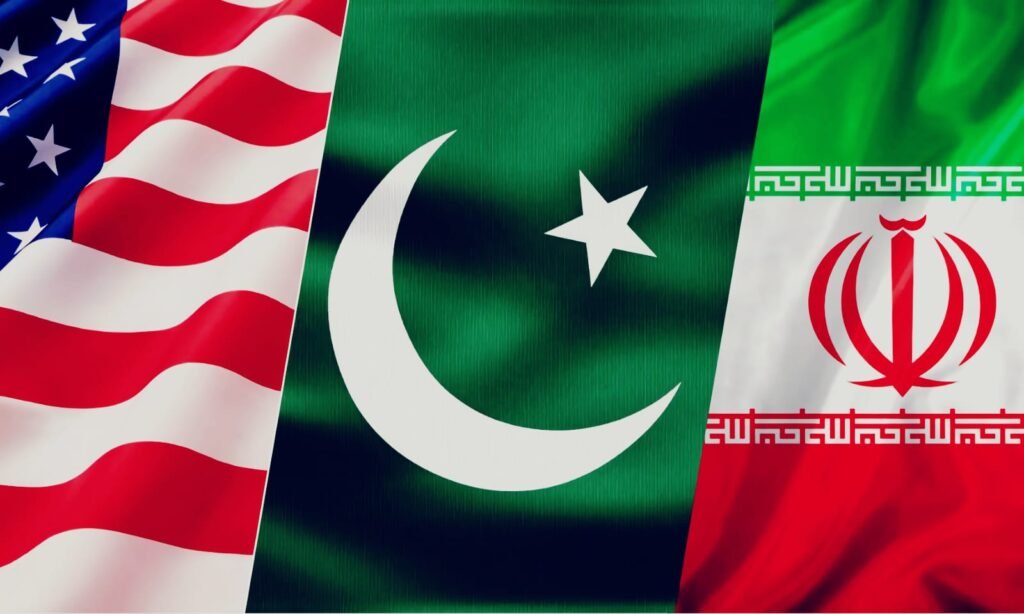
In recent weeks, Islamabad has become a focal point of global point of global diplomacy as it hosted high level discussions between the United States and Iran. These talks gained worldwide attention, especially after rising tensions between the two nations sparked fears of a broader regional conflict. Now, a key question is emerging: will both countries return to Islamabad for another round of negotiations? While there is no officially confirmed schedule, multiple credible reports suggest that further talks are highly likely, signaling a continued effort toward de-escalation rather than confrontation.
The recent Islamabad talks were not about declaring war, as some rumors suggested, but rather about preventing escalation and creating space for diplomatic engagement. According to international coverage by Reuters (https://www.reuters.com) and Al Jazeera (https://www.aljazeera.com), both Washington and Tehran showed willingness to explore peaceful solutions. Although the initial discussions did not result in a permanent agreement, they successfully reduced immediate tensions and opened the door for future dialogue.
The possibility of a second round of talks in Islamabad reflects the urgency of the situation. The relationship between the United States and Iran has long been defined by mistrust, sanctions, and strategic rivalry. In 2026, these tensions escalated to a point where direct or indirect confrontation seemed possible. This raised concerns not only for the Middle East but also for global markets, particularly energy supplies and trade routes. Diplomatic intervention became essential, and this is where Pakistan stepped in as a mediator.
Pakistan’s role in facilitating these talks has been widely recognized. By hosting negotiations in Islamabad, Pakistan provided a neutral and controlled environment where both parties could communicate openly. This approach, often referred to as backchannel diplomacy, allows sensitive discussions to take place away from public pressure. Reports highlighted by BBC News (https://www.bbc.com/news) indicate that Pakistan maintained continuous contact with both sides, helping to build trust and keep communication channels open.
Despite the progress made during the first meeting, several complex issues remain unresolved. These include disagreements over sanctions, regional influence, and security concerns. Because of these unresolved matters, the initial talks concluded without a final deal. However, both sides agreed on one crucial point: dialogue must continue. This agreement alone is a significant development, as it reduces the likelihood of immediate escalation.
Recent updates suggest that the chances of renewed talks are strong. Global leaders and organizations, including the United Nations, have expressed optimism that negotiations will resume soon. This has led to speculation that Islamabad could once again host these critical discussions. If this happens, it will further strengthen Pakistan’s position as a key player in international diplomacy.
The importance of these talks extends far beyond the two countries involved. Any conflict between the United States and Iran has the potential to disrupt global stability. The Middle East is a strategically vital region, particularly because of its role in global oil production and transportation. One of the most critical areas affected by such tensions is the Strait of Hormuz, a key route for energy supplies. Ensuring stability in this region is essential for maintaining global economic balance.
Diplomatic efforts like the Islamabad talks highlight a broader shift in how modern conflicts are managed. Instead of relying solely on military power, countries are increasingly turning to negotiation and mediation. This shift reflects the understanding that long-term stability cannot be achieved through force alone. The involvement of Pakistan demonstrates how even countries outside the immediate conflict can play a meaningful role in promoting peace.
Another important aspect of this situation is the role of media and public perception. Misinformation spread rapidly during the initial talks, with many people believing that the meeting was intended to declare war. In reality, credible sources such as Reuters and Al Jazeera consistently reported that the focus was on de-escalation. This highlights the importance of relying on verified information, especially in times of global tension.
If the United States and Iran do return to Islamabad, the next round of talks will likely focus on building on the progress already made. This could include extending any temporary ceasefire agreements, addressing key disagreements, and working toward a more comprehensive framework for long-term peace. While challenges remain, the willingness of both sides to continue dialogue is a positive sign.
Pakistan’s growing involvement in such high-level diplomacy is also worth noting. Traditionally seen as a regional player, Pakistan is now increasingly engaging in global issues. By successfully hosting and facilitating talks between major powers, it is enhancing its international reputation and demonstrating its ability to contribute to global stability. This shift could have long-term implications for Pakistan’s foreign policy and its role on the world stage.
Looking ahead, the future of US-Iran relations will depend largely on continued diplomatic engagement. While a single meeting cannot resolve decades of tension, it can set the stage for meaningful progress. The Islamabad talks have already shown that dialogue is possible, even in highly strained circumstances. If both sides remain committed to negotiation, there is hope for a more stable and peaceful outcome.
In conclusion, while there is no official confirmation yet, strong indications suggest that the United States and Iran may return to Islamabad for further talks. These discussions are not about declaring war but about preventing it. With Pakistan playing a central mediating role, Islamabad has emerged as an important hub for diplomacy in 2026. As the situation continues to evolve, one thing remains clear: in today’s interconnected world, dialogue and cooperation are the most effective tools for maintaining peace and stability.


